November 25, 2026
Choosing the right septic tank for your home is an important decision that affects wastewater management, property functionality, and long-term costs. The right system depends on household size, soil conditions, available space, and local regulations. Understanding these factors helps homeowners select a reliable solution that meets their needs. Professional septic tank services can also help evaluate options and maintain system performance.
Understanding Septic Tank Basics
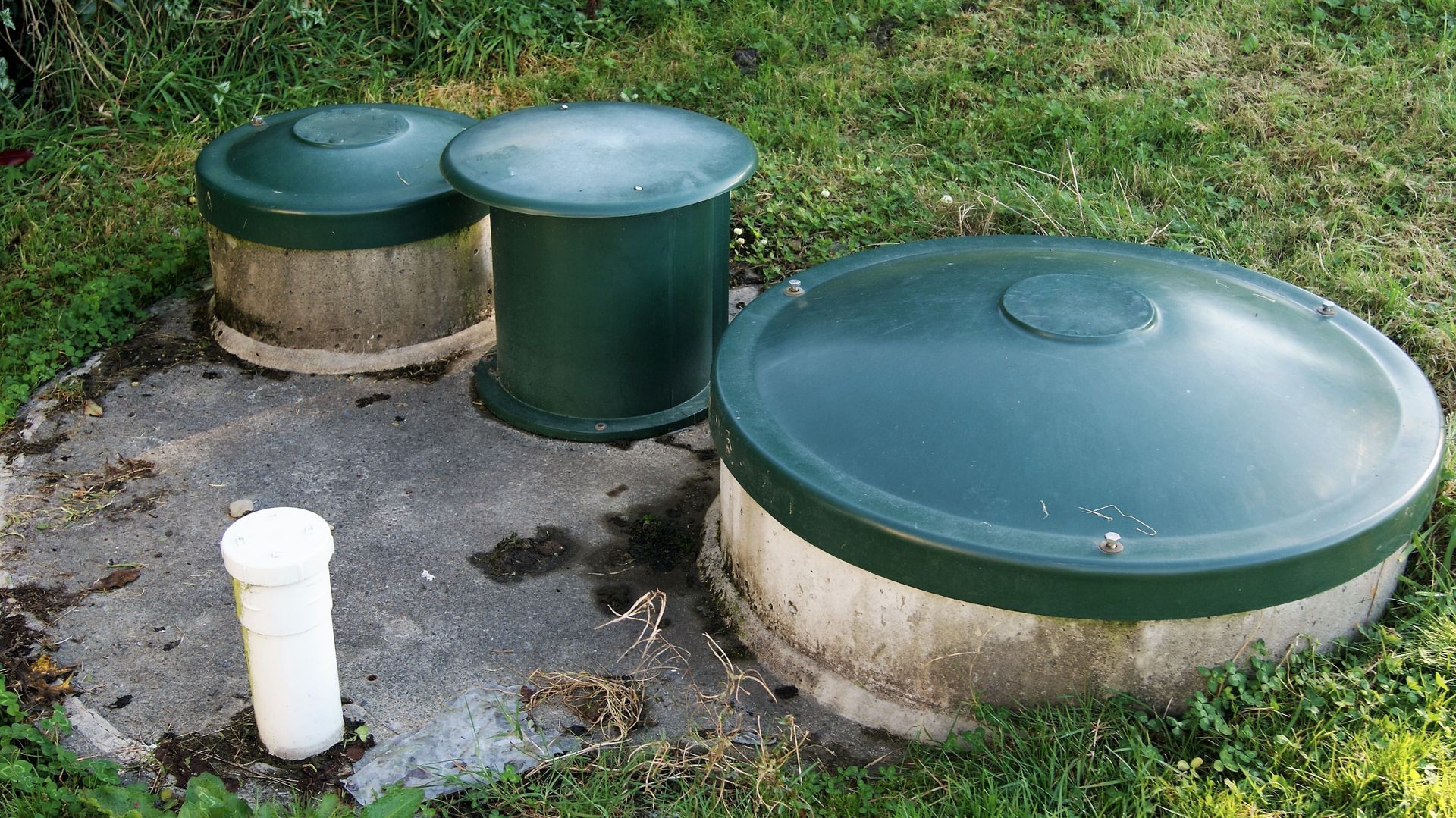
A septic tank is an underground wastewater treatment container commonly used in areas without municipal sewer systems. It separates household waste into layers, allowing heavier solids to settle while oils and grease float to the surface. The remaining liquid flows into a drain field, where the soil provides additional treatment. Regular septic tank services help maintain this process and prevent system problems.
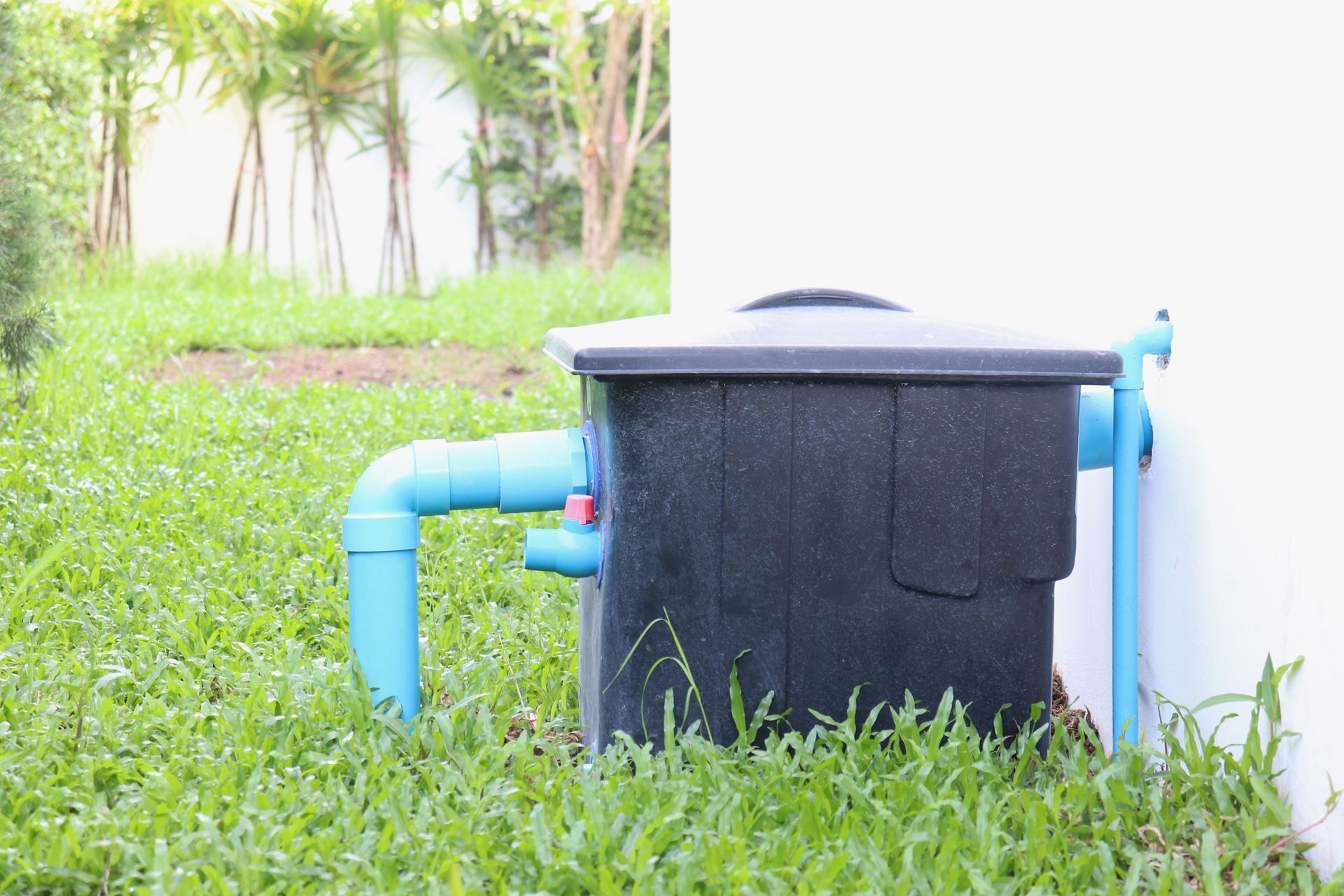
Septic systems provide independent wastewater management for residential properties. They help prevent untreated sewage from contaminating groundwater, soil, and natural resources. Standard septic tanks include a container, inlet and outlet pipes, and internal baffles that direct wastewater through the treatment process.
Evaluating Your Property's Requirements
Household size is one of the most important considerations when selecting a septic tank. The number of occupants and their water consumption determine how much wastewater the system must accommodate. According to The Spruce, most home septic tanks hold between 1,000 and 1,500 gallons, though they can go up to 1,750 gallons. Professional septic tank services can help determine an appropriate capacity.
Soil conditions also influence which septic system will work best. Soil composition, drainage capabilities, and groundwater levels affect how efficiently wastewater moves through the drain field. Professional soil evaluations help determine whether conventional systems are appropriate or whether an alternative design is necessary.
Local environmental regulations must also be considered before selecting a septic tank. Requirements can establish minimum tank capacities, installation distances, and placement restrictions near wells or property boundaries. Experienced septic tank services providers can help homeowners understand these requirements and obtain necessary approvals.
Climate and property layout can influence system performance as well. Heavy rainfall may saturate soil, while freezing temperatures can affect pipes and other components. Available space, elevation changes, nearby buildings, and service vehicle access also influence tank placement.
Comparing Septic Tank Materials
Concrete septic tanks are popular because of their strength and durability. When properly manufactured and installed, they can withstand substantial soil pressure and provide decades of service. However, concrete can crack because of ground movement or deterioration, making professional inspections important.
Plastic septic tanks offer a lightweight and affordable alternative. They resist corrosion but can be vulnerable to shifting or damage under certain soil conditions. Fiberglass tanks provide another option, offering corrosion resistance and lighter construction, although their initial cost and anchoring requirements should be considered.
Steel septic tanks are considerably less common because of their susceptibility to corrosion. Rust can weaken the tank over time, increasing the likelihood of leaks and environmental contamination. Concrete, plastic, and fiberglass options generally provide more practical long-term solutions.
Exploring Alternative Septic Systems
Conventional septic systems are not appropriate for every property. Homes with challenging soil conditions, limited space, or environmental restrictions may require specialized wastewater treatment solutions. Professional septic tank services can help determine which system best accommodates a property's characteristics.
Aerobic treatment units use oxygen to support bacteria that break down wastewater. These systems can provide additional treatment compared with conventional septic tanks, although they typically involve more equipment and maintenance requirements.
Mound systems are another alternative for properties with shallow soil or high groundwater levels. They use an elevated drain field to provide additional soil treatment. Constructed wetlands and other specialized systems may also be appropriate depending on environmental requirements and available space.
Professional evaluations help determine whether an alternative system is necessary. Selecting an appropriate design initially can reduce the likelihood of expensive modifications later.
Determining the Correct Tank Capacity
Estimating household wastewater production is essential when choosing a septic tank. The number of residents, daily water consumption, and appliance usage all influence capacity requirements. Professional septic tank services can help determine an appropriate size based on household needs and local regulations.
Tank dimensions and overall capacity should be considered together. A larger tank may accommodate greater wastewater volumes but can increase installation expenses. An undersized tank may struggle to process household wastewater, contributing to backups, overflows, and additional maintenance requirements.
Planning for future household changes is equally important. Families may grow, additional living spaces may be added, or water consumption may increase. Considering these possibilities helps homeowners choose a system that accommodates changing demands.
Planning for Professional Installation
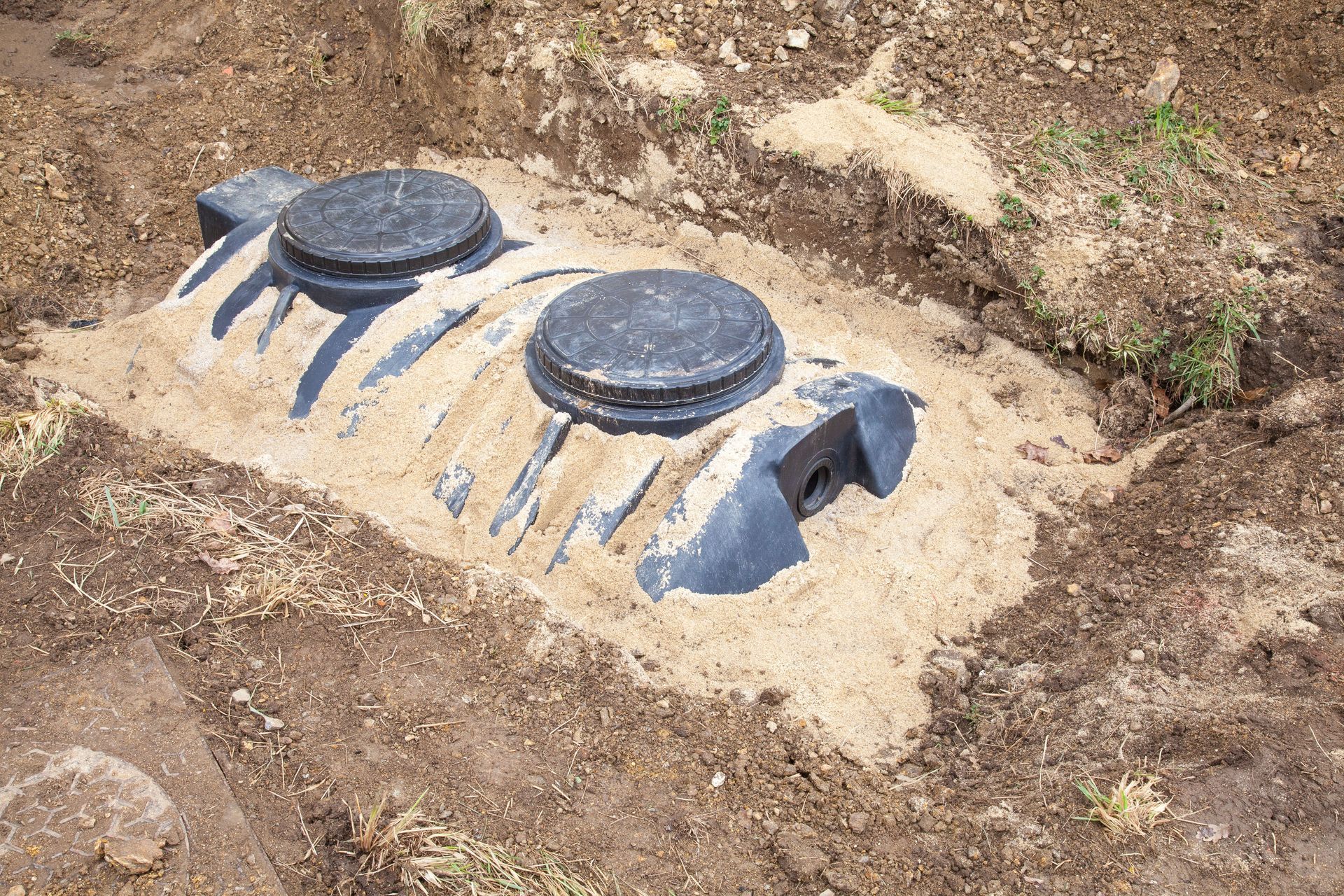
Professional installation is essential for ensuring a septic system operates correctly and complies with local requirements. Qualified contractors understand site evaluations, equipment specifications, excavation, and proper tank placement. Their experience helps prevent installation problems that could compromise system performance.
Site preparation involves evaluating soil conditions, groundwater levels, grading requirements, and equipment accessibility. Contractors also consider nearby buildings, wells, and driveways when determining appropriate placement.
Installation expenses vary depending on tank material, system design, property accessibility, and preparation requirements. Difficult soil conditions or specialized treatment systems may increase labor and equipment costs. Permit fees, inspections, and excavation should also be included in the project budget.
Obtaining the appropriate permits is another essential requirement. Local authorities establish regulations to protect public health, groundwater supplies, and surrounding properties. Professional septic tank services help homeowners navigate these requirements and avoid installation delays.
Managing Long-Term Septic System Costs
The initial purchase price is only one part of the overall investment in a septic system. Different tank materials and treatment designs have varying installation, inspection, and maintenance expenses. Comparing these costs helps homeowners evaluate long-term value.
Concrete tanks may involve higher initial expenses but can provide considerable durability. Plastic models may cost less initially, while fiberglass tanks offer corrosion resistance and lightweight construction. Homeowners should consider expected service life and repair requirements rather than focusing exclusively on purchase price.
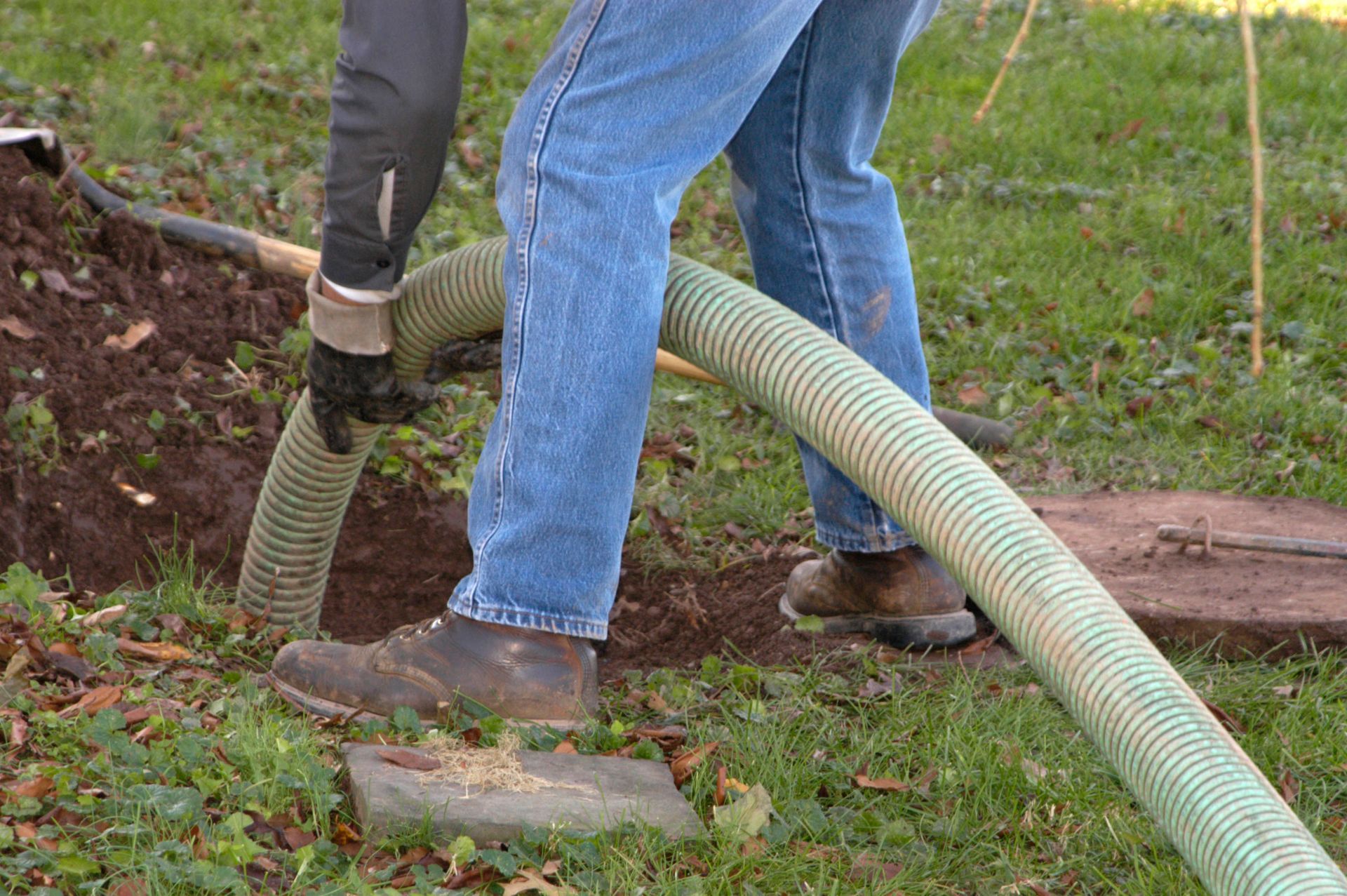
Routine maintenance is another important budget consideration. Septic tanks require periodic inspections and pumping to remove accumulated solids. Scheduling septic tank services regularly can help prevent blockages, drain field damage, and expensive repairs.
Financing options may also make installation or replacement more manageable. Some local programs offer financial assistance for qualifying wastewater improvement projects, while certain contractors provide payment arrangements.
Maintaining Reliable Septic System Performance
Regular professional inspections help identify potential problems before they become serious. Contractors can evaluate tank conditions, inspect important components, and determine whether pumping or repairs are necessary. Consistent septic tank services help protect the system and reduce unexpected disruptions.
Responsible household water usage also supports septic system performance. Excessive water consumption can overwhelm the tank and interfere with treatment. Addressing plumbing leaks and spreading out water-intensive activities helps maintain manageable wastewater levels.
Homeowners should also be mindful of what enters their septic systems. Non-biodegradable materials, excessive grease, and harsh chemicals can interfere with wastewater treatment. Following appropriate disposal practices helps reduce unnecessary strain on the tank and drain field.
Recognizing warning signs is equally important. Persistent odors, slow drains, sewage backups, and unusually wet areas around the drain field can indicate problems requiring professional attention. Prompt septic tank services can help address these concerns before they develop into extensive damage.
Choosing the Right Septic Tank Service Provider
Selecting an experienced septic contractor is just as important as choosing the right tank. Qualified professionals can evaluate wastewater requirements, inspect property conditions, and recommend suitable materials and system designs. Their knowledge of local regulations helps ensure the finished system meets residential requirements.
Homeowners should consider a contractor's experience, licensing, reputation, and available services when comparing providers. Clear estimates and explanations of recommended equipment make it easier to understand project costs. Choosing a dependable company provides access to professional assistance throughout installation and ongoing maintenance.
Blue Septic Tank Service Inc can help homeowners address their residential wastewater management needs. Whether you are considering a new septic tank, need routine maintenance, or have concerns about your existing system, experienced assistance can make the process easier. Contact Blue Septic Tank Service Inc to learn more about available septic tank services and find a dependable solution for your property.