November 13, 2026
Technological innovation is rapidly transforming residential wastewater infrastructure, redefining how private disposal systems operate beneath modern properties. Historically, subterranean waste receptacles functioned as passive utilities that received little attention until backed-up plumbing fixtures or environmental leaching demanded urgent interventions. Today, sophisticated diagnostic equipment, high-performance structural materials, and automated servicing mechanisms are elevating sanitation baselines nationwide. These advancements provide comprehensive operational transparency, enabling service providers to transition away from reactive emergency troubleshooting toward structured, preventative asset management. Homeowners and commercial facility operators now enjoy substantial improvements in efficiency, environmental compliance, and long-term utility resilience.
Deploying digital tools alongside modernized field techniques significantly streamlines wastewater management while mitigating the persistent biohazard challenges historically inherent to the sector. Proactive monitoring platforms, smart telemetry hubs, and robotic inspection units empower field technicians to analyze structural conditions without intrusive yard excavations. Furthermore, biological accelerators and eco-conscious engineering models minimize chemical dependency while maximizing systemic processing capacities. Exploring these progressive industry developments reveals how modern technological integration elevates operational safety, protects delicate groundwater reserves, and establishes higher benchmarks across professional septic tank services.
Deploying Smart Diagnostics and Telemetry
Real-time sensory telemetry serves as the cornerstone of contemporary subterranean wastewater diagnostics. Digital floats, ultrasonic depth gauges, and chemical telemetry devices continuously collect vital performance metrics, measuring effluent levels, interior temperatures, and organic sludge accumulations. Wireless transmitters automatically relay this data to unified cloud networks, enabling remote diagnostic oversight without requiring manual physical measurements. Automated predictive algorithms analyze historical usage trends, allowing maintenance teams to anticipate capacity thresholds and dispatch preventative servicing long before structural clogs or surface backups threaten living spaces.
Smartphone diagnostic interfaces further bridge operational communication gaps by placing real-time functional metrics directly into property owners' hands. Homeowners receive push notifications detailing fluid volumes, upcoming maintenance schedules, and early warning alerts regarding potential drainage restrictions. According to The Spruce, most home septic tanks hold between 1,000 and 1,500 gallons, though sizes can range from 750 to 1,750 gallons. Rapid digital alerts prove invaluable for managing these large capacities, ensuring timely interventions that protect domestic comfort and reinforce the dependability of modern septic tank services.
Upgrading Structural Design and Materials
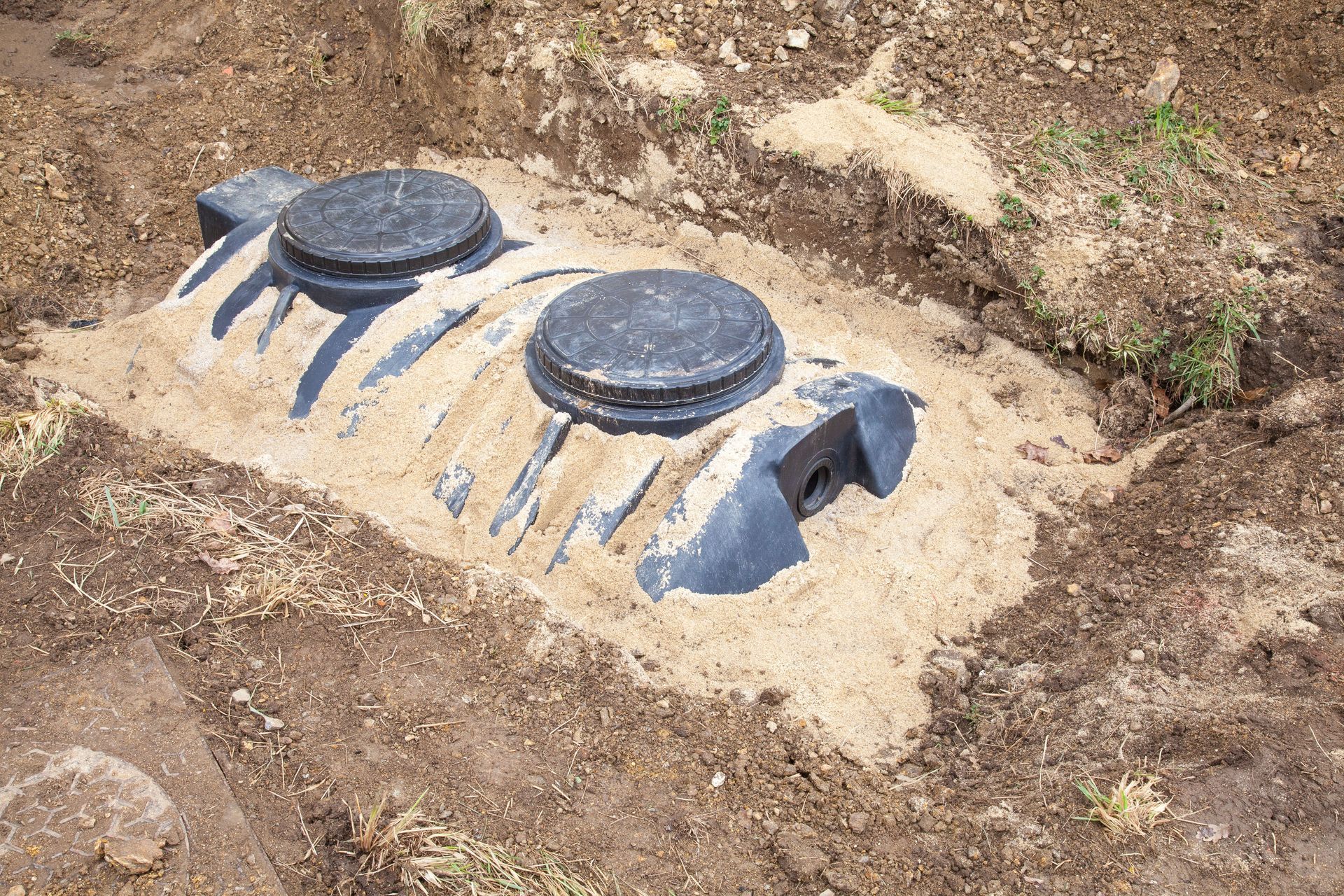
Modern material engineering has overhauled septic tank manufacturing, replacing fragile, porous components with resilient polymer composites and high-density polyethylene shells. Traditional precast concrete chambers remain susceptible to sulfuric acid corrosion, stress fractures, and subterranean tree root infiltration over extended lifecycles. Modern synthetic units resist underground seismic shifts and caustic chemical wear, forming impenetrable barriers that prevent untreated wastewater from leaching into delicate water tables. Lightweight composite materials also streamline transportation logistics, eliminating the need for heavy site machinery and minimizing surface property disruption during installations.
Beyond structural durability, modern installations feature cutting-edge filtration designs and modular configurations tailored to specific parcel requirements. Multi-stage effluent filters prevent buoyant solid particulates from escaping the primary containment chamber, safeguarding fragile drain field soils from premature hydraulic failure. Scalable modular designs allow expanding commercial and residential properties to increase wastewater capacities incrementally without replacing entire subterranean frameworks. Compact, vertical tank configurations maximize limited acreage on urban properties, demonstrating how structural innovations within septic tank services adapt successfully to changing spatial realities.
Enhancing Waste Treatment and Biology
Contemporary wastewater management relies heavily on advanced biological acceleration, transforming stagnant settling reservoirs into dynamic, highly efficient purification centers. Specialized aeration technologies infuse continuous oxygen streams directly into primary processing chambers, creating hospitable ecosystems for beneficial aerobic bacteria. Aerobic microbes consume organic solids, grease, and suspended contaminants significantly faster than conventional anaerobic bacteria, yielding substantially clearer effluent. Accelerating biological decomposition reduces toxic sludge accumulations, lowers mechanical cleanout frequencies, and shields vulnerable absorption fields from severe organic clogging.
Controlled thermal stabilizers and bio-enzymatic additives further optimize bacterial digestion rates during harsh seasonal temperature drops. Specially formulated bacterial strains replenish essential colonies depleted by aggressive antibacterial cleaning agents and modern chemical detergents. Thermal regulation units prevent dormancy cycles during freezing winter months, ensuring dependable pathogen neutralization year-round. These integrated scientific enhancements eliminate foul odors at their source, curb volatile gas emissions, and establish sustainable operational ecosystems that align with progressive environmental protection standards.
Automating Servicing and Field Operations
Robotics and automated equipment have transformed field servicing operations, reducing occupational hazards while maximizing diagnostic precision. Submersible robotic crawlers and high-resolution camera drones navigate tight conduits and dangerous containment zones without requiring extensive excavation. These robotic devices broadcast high-definition video feeds directly to surface diagnostic monitors, allowing specialists to spot structural fractures, joint misalignments, and biological blockages with unmatched accuracy. Eliminating speculative exploratory digging preserves delicate landscape features while saving clients thousands of dollars in property restoration costs.
Autonomous pumping equipment and artificial intelligence scheduling platforms further streamline routine servicing protocols. Variable-speed extraction pumps adjust suction levels dynamically based on fluid thickness and solid density, protecting internal baffle walls from mechanical strain. Cloud-based dispatching platforms analyze regional traffic patterns, historical volume metrics, and sensor warnings to build optimal technician routes. Embracing intelligent field automation minimizes operational overhead, prevents sudden capacity overflows, and elevates service safety standards throughout professional septic tank services.
Immersing Technicians in Virtual Training
Virtual reality simulations and augmented reality systems have revolutionized technical training methodologies across the wastewater maintenance sector. Trainees utilize realistic virtual reality programs to rehearse complex troubleshooting routines, system installations, and emergency containment drills without real-world safety risks. Replicating catastrophic line failures, toxic gas accumulations, and structural tank collapses in digital classrooms reinforces field competence and deepens structural comprehension. These immersive learning modules accelerate technical onboarding, outperforming passive manuals and guaranteeing comprehensive workforce readiness.
Augmented reality headsets support technicians during on-site field repairs by superimposing structural schematics, plumbing blueprints, and repair instructions directly across their field of view. Technicians can connect with remote senior engineers via secure video links, receiving real-time troubleshooting guidance when confronting unique property configurations. Augmented field consultation eliminates recurring diagnostic appointments, streamlines complex mechanical repairs, and ensures full compliance with local environmental mandates. Continuous investments in digital education empower field crews to perform intricate septic tank services safely and meticulously.
Elevating Customer Support and Transparency
Technological integration has modernized customer support infrastructure, delivering unprecedented operational transparency and administrative ease to property owners. Secure online portals and dedicated mobile applications grant clients instantaneous access to detailed service histories, digital pumping manifests, and regulatory compliance records. Digital record-keeping tracks structural conditions and maintenance dates across decades of property ownership, providing verified documentation for property sales. Eliminating ambiguous paper receipts fosters lasting trust between property owners and sanitation providers.
Advanced dispatch algorithms and automated communication channels dramatically reduce emergency response times during acute plumbing crises. Automated updates deliver real-time technician tracking to homeowners, providing accurate arrival windows and preventing unnecessary schedule disruptions. Post-service feedback systems immediately capture client insights, driving ongoing workflow enhancements and refining operational protocols. Combining digital convenience with prompt on-site execution elevates consumer confidence, reflecting a broader consumer-focused evolution across comprehensive septic tank services.
Modernizing Long-Term Wastewater Solutions
The ongoing convergence of smart telemetry, resilient composite materials, biological accelerators, and automated maintenance platforms continues to redefine private wastewater systems. Septic infrastructure is no longer an invisible, neglected utility; it has transformed into a responsive, environmentally conscious system designed for lasting structural durability. Adopting modern technological tools safeguards surrounding ecosystems, prevents disastrous mechanical backups, and protects residential property investments against expensive structural repairs. Proactive system owners benefit immensely from partnering with licensed contractors who utilize these cutting-edge methodologies.
Maintaining a reliable, high-capacity wastewater system requires technical precision, modern diagnostic equipment, and an unwavering commitment to responsible environmental management. Forward-thinking providers leverage intelligent field automation and predictive diagnostics to ensure private sanitation systems operate at peak efficiency. Safeguard your property against plumbing emergencies, preserve foundational integrity, and schedule your modern
septic tank services with the experienced professionals at Blue Septic Tank Service, Inc. to secure long-term performance and complete peace of mind.