November 18, 2026
Septic systems are an essential part of homes that are not connected to municipal sewer systems. Regular pumping plays a vital role in ensuring that these waste networks function efficiently and safely. Neglecting routine tank care can lead to severe plumbing failures that disrupt daily household life and incur massive restoration expenses. Prioritizing preventive maintenance protects your plumbing lines, keeps wastewater flowing safely, and safeguards long-term property value.
Establishing Maintenance Schedules
Establishing a predictable maintenance schedule protects residential plumbing from sudden operational failures. Because septic systems operate out of sight underground, homeowners frequently overlook the steady accumulation of non-biodegradable debris and organic sludge. Coordinating routine inspections with qualified wastewater specialists helps identify fluctuating household usage patterns before storage limits are exceeded. Setting a dedicated calendar reminder ensures that your waste management system receives timely attention throughout every season. Consistently tracking service dates prevents minor delays from compounding into critical system overloads.
Inspecting Underground Components
Conducting periodic evaluations of subterranean baffles, filters, and access lids prevents minor component wear from escalating into structural damage. Technicians examine inlet and outlet tees to confirm that wastewater flows freely without backing up into domestic drainage pipes. Catching broken baffles or cracked inspection risers early prevents solid debris from escaping toward the distribution network. Thorough structural assessments safeguard the longevity of the entire containment system and keep treatment running smoothly. Promptly replacing degraded mechanical parts also minimizes the risk of costly excavation projects down the road.
Understanding Core Infrastructure
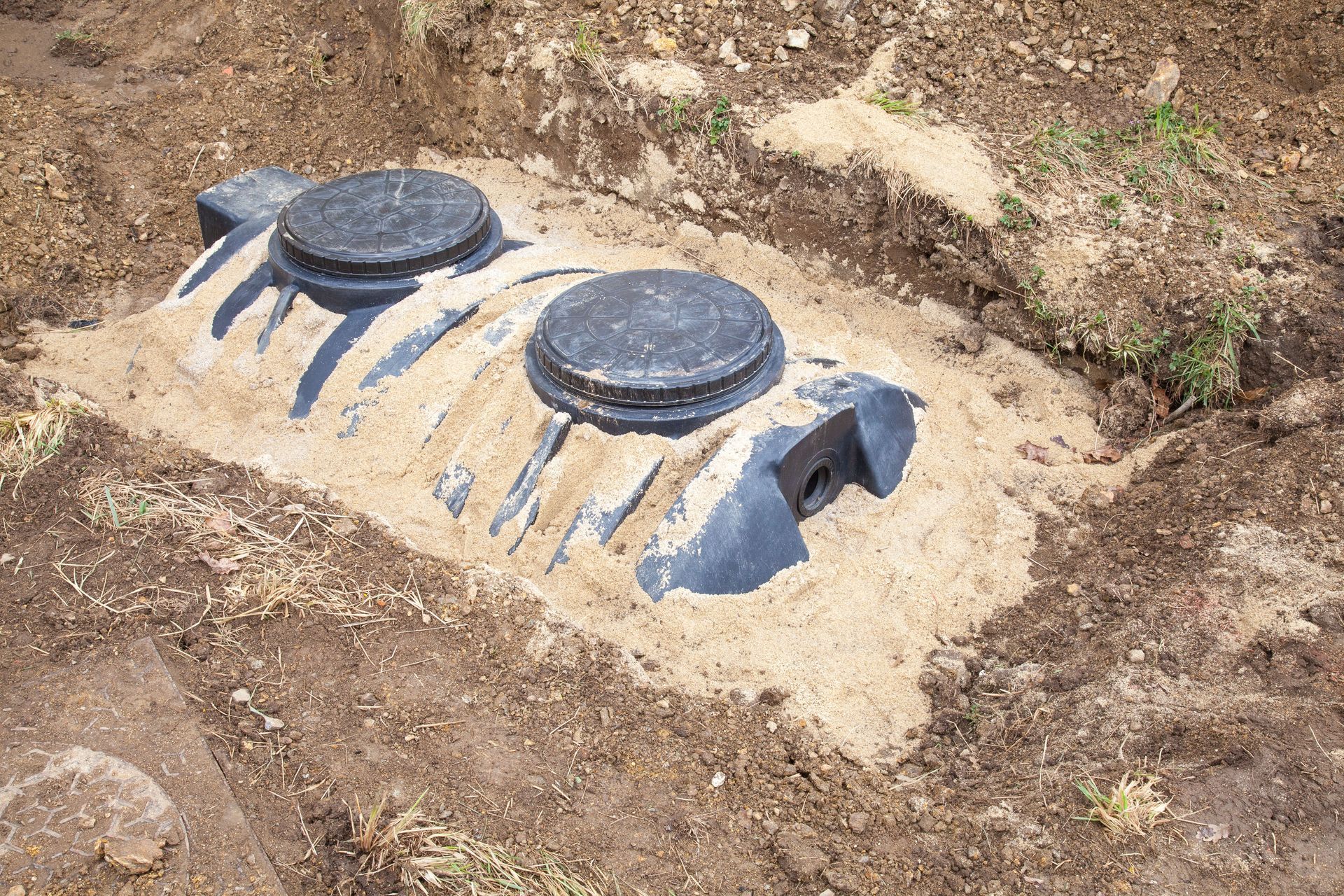
A domestic septic system relies on several interconnected components working in harmony to process household waste. The main tank holds wastewater long enough for heavy particles to settle while the absorption area disperses clarified liquid back into local soil. Connecting transit pipes guide household wastewater away from your living spaces and into the central reservoir. When property owners utilize a professional septic tank pumping service, they ensure that these crucial mechanical elements remain clear of stubborn obstructions.
Tracking Wastewater Flow
Household wastewater moves through dedicated drainage lines directly into the subterranean tank to begin natural treatment. Inside the chamber, physical gravity separates incoming effluent into three distinct layers: lower sludge, clarified liquid, and floating scum. Naturally occurring anaerobic bacteria digest organic waste, while the remaining effluent flows into the soil absorption field for final biological filtration. Scheduling regular visits from a certified septic tank pumping service preserves tank volume and prevents premature drainage field failure.
Balancing Microscopic Organisms
Beneficial microbes actively break down organic matter inside the tank, converting dense material into manageable liquid and gas. Harsh chemical cleaners, automotive fluids, and prescription pharmaceuticals can rapidly destroy these delicate colonies, severely compromising overall digestion efficiency. Limiting antimicrobial cleaners helps preserve natural digestion and prevents solids from escaping into vulnerable plumbing fixtures. Routine technical reviews help homeowners verify that bacterial activity remains at peak operational capacity.
Managing Tank Volume
Tank capacity is dictated by the overall size of the residence and its daily plumbing output. According to This Old House, the septic tank capacity for an average three-bedroom home generally requires a 1,000-gallon septic tank, which should be pumped every three to five years. Underestimating tank capacity or ignoring operational limits frequently results in messy backups and severe structural damage. Coordinating with an established septic tank pumping service ensures your waste capacity aligns with current household water usage.
Observing System Performance
A healthy waste disposal system displays consistent, trouble-free operation across all connected plumbing appliances. Sinks, bathtubs, and toilets drain rapidly without emitting gurgling noises or sewer odors into living spaces. The outdoor absorption field remains dry and stable, showing no soggy earth or foul-smelling puddles. Scheduling regular professional evaluations verifies that all mechanical components continue to process wastewater without hidden defects.
Preventing Sewage Backups
Skipping routine waste removal allows dense sludge layers to rise and severely restrict functional holding capacity. When storage space disappears, raw sewage reverses direction, backing up into floor drains, bathtubs, and sinks. These plumbing emergencies generate terrible property damage, requiring expensive structural cleaning and specialized biohazard mitigation. Routine waste removal prevents sludge accumulation and protects domestic fixtures from sudden wastewater backups.
Mitigating Health Risks
Failing waste systems release untreated sewage packed with hazardous bacteria, parasites, and chemical pathogens into living spaces. Exposure to sewage leaks increases the likelihood of gastrointestinal illness, skin infections, and severe respiratory ailments in humans and pets. Furthermore, leaking tanks can allow untreated nitrates and pathogenic bacteria to seep directly into local drinking wells. Enlisting a dependable septic tank pumping service ensures biological hazards remain confined within safe, regulated treatment boundaries.
Protecting Natural Waterways
Neglected septic systems pose significant threats to surrounding ecosystems and regional watersheds. Escaping sewage saturates the soil and enters local waterways, causing explosive algae blooms that deplete dissolved oxygen and devastate aquatic life. These systemic disruptions trigger dead zones in streams, lakes, and coastal bays that depend on balanced nutrients. Proper septic maintenance prevents environmental pollution and actively preserves clean water for the entire community.
Avoiding Foundation Deterioration
Wastewater escaping from saturated drainage fields can pool around basement walls, compromising structural soil stability. Persistent moisture accumulation undermines concrete footings, creates uneven settling, and sparks severe foundation cracks over time. The resulting indoor dampness fosters toxic mold outbreaks that require costly remediation and structural rebuilding. Routine waste removal keeps soil conditions dry and protects the physical integrity of your residence.
Reducing Maintenance Expenses
Ignoring standard pump-out timelines frequently results in catastrophic plumbing disasters that carry astronomical repair bills. Emergency drain field replacements, structural water restorations, and pipe excavations cost thousands more than planned cleanings. Working with an affordable septic tank pumping service transforms volatile repair expenses into predictable, budget-friendly home maintenance. Taking a forward-thinking approach preserves valuable home equity and minimizes unexpected plumbing expenses.
Identifying Drainage Problems
Sluggish plumbing drainage across multiple household fixtures is a prime indicator that the storage tank is nearing capacity. As settled solids restrict liquid movement, bathroom and kitchen drains begin draining slowly and emitting strange gurgling noises. Ignoring these early warning signs accelerates plumbing failures and risks major pipe blockages throughout the house. Promptly booking a certified septic tank pumping service clears out excess solids before emergency backups occur.
Spotting Saturated Soil
Unusually bright green patches of grass appearing directly above the drain field suggest wastewater is surfacing prematurely. These vibrant spots occur when an overfilled tank forces nutrient-dense effluent up toward the lawn instead of downward through the soil. Left unaddressed, this saturation transforms clean yards into marshy, bacteria-ridden hazards that damage landscaping. Engaging qualified technicians allows you to address underground seepage before complete system replacement becomes necessary.
Detecting Unpleasant Odors
Persistent sulfur and sewage odors drifting near sinks or outdoor drainage zones indicate severe system overfilling. These nauseating gases escape through indoor plumbing vents and ground fissures when trapped waste cannot process properly. Taking immediate diagnostic action when strange smells appear prevents complete plumbing blockages and indoor biohazard exposure. Diligent waste management eliminates noxious odors, restores outdoor air quality, and keeps living spaces comfortable.
Maintaining a healthy wastewater system is critical for preventing costly plumbing disasters and protecting your family's health and property. Taking a proactive approach ensures uninterrupted utility service and shields your household budget from catastrophic excavation repairs. For dependable maintenance, thorough inspections, and honest wastewater solutions, reach out to Blue Septic Tank Service, Inc today.