November 25, 2026
Anyone who prepares food in volume has to think about where the grease goes. Fats, oils, and grease from cooking and cleaning flow down drains, cool, and harden, and they can clog pipes and cause backups that shut down a kitchen. A grease trap catches much of that material before it reaches the sewer or septic system, but it only works if it's cleaned on time. Many business owners aren't sure whether their operation needs regular attention or how often. Below, we'll explain who needs professional help, what to watch for, and how grease trap services like ours can keep your kitchen running smoothly.
Understanding What a Grease Trap Does
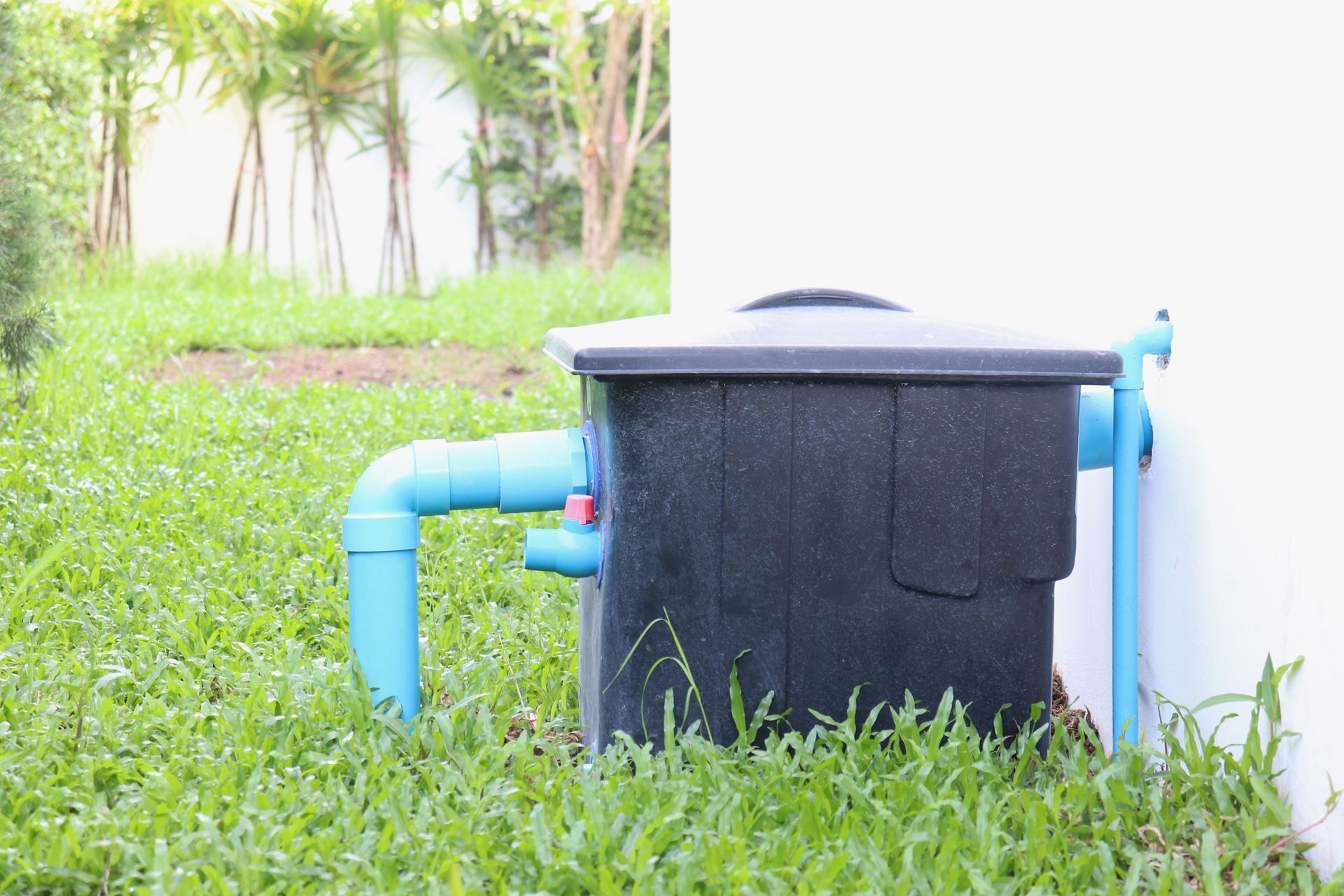
A grease trap, sometimes called a grease interceptor, slows wastewater down so fats, oils, and grease can float to the top while solids settle to the bottom. The cleaner water in the middle continues on through the plumbing. Over time, both layers build up, and when the trap gets too full, it stops working as intended. Grease can then pass through into pipes or the septic system and cause clogs, odors, and costly backups. Cleaning removes that buildup and restores the trap's ability to do its job. Understanding this basic process makes it easier to see why the right service schedule matters. It also explains why a trap that looks fine from the outside can still be close to full.
Recognizing Restaurants and Cafes
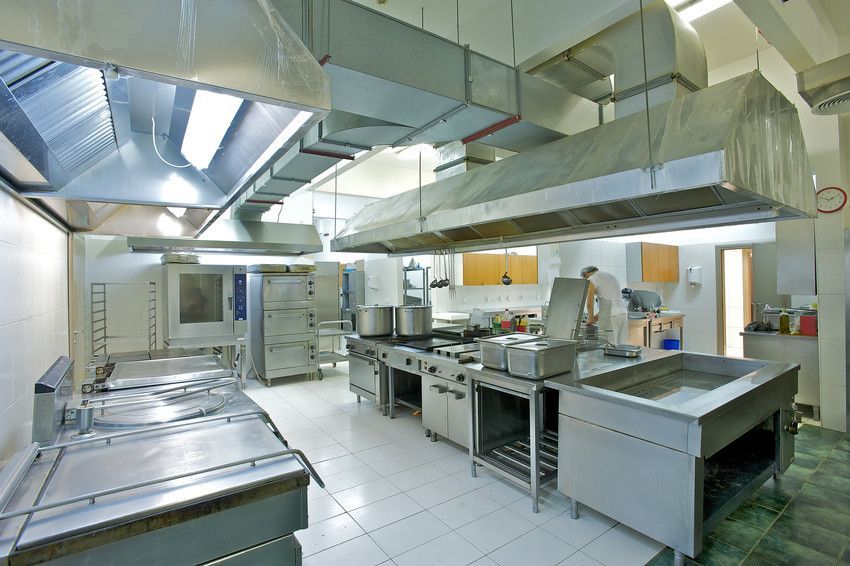
Restaurants are the most obvious users of grease traps, since frying, sauteing, and dishwashing send a steady stream of fats and oils down the drain. Even small cafes and coffee shops can generate more grease than you might expect, especially if they serve breakfast, sandwiches, or baked goods. The busier the kitchen, the faster a trap fills. Skipping service can lead to slow drains, bad smells in the dining room, and even a forced closure during a backup. Our grease trap services are built for food establishments, so owners can keep up with cleaning without disrupting their business. Scheduling around slower hours helps keep the kitchen running.
Including Hotels, Resorts, and Event Venues
Large properties with kitchens often produce a lot of wastewater, even when the kitchen isn't visible to guests. Hotels, resorts, banquet halls, and event venues may serve hundreds of meals in a single day, especially during weddings, conferences, and holiday events. That volume puts heavy demand on drains and traps. Because these properties depend on a good guest experience, a backup at the wrong moment can be especially costly. A regular cleaning schedule helps avoid surprises during busy seasons. Our grease trap services include maintenance, so we can help properties match cleaning to how often their kitchens are in use. Planning around known busy periods keeps service from landing on the worst possible day.
Considering Schools, Hospitals, and Care Facilities
Institutional kitchens may not look like restaurants, but they cook large quantities of food every day. Schools, hospitals, assisted living communities, and similar facilities rely on these kitchens to feed students, patients, and residents on a strict schedule. A clogged line or an overflowing trap can disrupt meal service and create sanitation concerns. These facilities also have to meet health and safety requirements, which makes dependable maintenance even more important. Staff turnover can make it easy to lose track of service dates, so a documented schedule helps. Our grease trap services include inspections and maintenance, which can help facilities stay on track.
Counting Bakeries, Delis, and Grocery Stores
Bakeries, delis, and grocery stores with prepared food counters also send grease and food waste into their drains. Rotisserie chickens, fried items, and cooking oils can add up, and so can cleaning routines that wash residue down the sink. Smaller operations sometimes assume they don't need regular service because their kitchens are small. Requirements and needs depend on the type of equipment, the menu, and local rules, so it's worth asking before you assume. A professional can evaluate your setup and recommend a schedule that fits. Taking that step early can prevent a surprise during an inspection or an unexpected backup. Even a quick conversation can clear up what your operation needs.
Remembering Caterers and Food Production Businesses
Catering companies, commissary kitchens, and food production businesses can produce large amounts of grease in a short time, particularly when they prepare food for events or for sale to other businesses. Even if only part of the week is busy, the buildup can be significant. Wastewater rules for these operations vary by location, and some require specific equipment. Checking with local authorities helps you understand what applies to you. Choosing a service provider who understands food operations can make compliance easier. A reliable cleaning schedule also helps protect your plumbing and your reputation with the health department. Good records make it easier to show you've kept up with maintenance.
Following Local Regulations
Many cities and counties have rules that govern how often traps must be cleaned. For example, according to Seattle.gov, businesses are required to clean grease interceptors according to manufacturer specifications, or, if those guidelines are unavailable, before food waste buildup of fats, oils, and grease exceeds 25% of the unit's capacity. Requirements differ from place to place, so check with your local utility, health department, or code office to learn what applies to your business. Keep records of each cleaning, since inspectors may ask to see them. Our grease trap services include cleaning, inspections, and maintenance that can help you stay organized and prepared.
Spotting Warning Signs It's Time for Service
Your kitchen will often tell you when a trap needs attention. Slow draining sinks, gurgling pipes, and strong, unpleasant odors are common signs that grease is building up. You may also notice standing water around floor drains or repeated plumbing backups. Waiting for these symptoms isn't ideal, since a full trap can quickly lead to a larger problem. A regular schedule is a better approach than reacting to trouble. If you see these signs, it's wise to call a professional to inspect the trap and recommend next steps. Acting early usually costs less than cleaning up after a backup.
Choosing a Professional Provider
The right service partner makes grease management simpler. Look for a company with experience in food establishment work, a clear process for cleaning and disposal, and the ability to provide records after each visit. Ask how often they recommend service for a kitchen like yours and how they handle emergencies. Local experience also helps, since a provider familiar with area requirements can point you in the right direction. A reliable partner becomes part of your maintenance routine instead of someone you call only in a crisis. Our grease trap services are backed by decades in the business, and we're glad to answer your questions.
At Blue Septic Tank Service, Inc, we're a local, family-owned company that has been serving customers in Manatee County and surrounding areas of Florida since 1978. We're licensed, state-registered septic contractors offering grease trap cleaning, inspections, and maintenance, food establishment grease services, residual sludge dewatering, septic tank cleaning and pumping, septic tank abandonments, and fiberglass lids and risers. We provide estimates within two business days and offer emergency services. Contact Blue Septic Tank Service, Inc today to schedule your grease trap cleaning.