September 13, 2026
Septic systems play a crucial role in managing waste for millions of households. This article explores the various scenarios in which septic tank services become vital and what homeowners need to know to handle these emergencies effectively.
1. Severe Blockages
Signs of a Blockage
Identifying the warning signs of a blockage early can greatly reduce the impact of this common septic system issue. One of the first signs is often slow drains in sinks, showers, or bathtubs. Homeowners may notice water pooling more frequently or taking longer to empty, signaling possible blockage. Another warning sign is gurgling sounds emanating from the plumbing. Such noises usually indicate air trapped within the pipes, a common symptom of slow drainage or developing blockages.
Sewage backups are more serious indicators of blockages within the system. When sewage begins to overflow into the home, it poses immediate health risks, requiring prompt professional attention. Odors emanating from drains or in the yard could also signify a blockage, as waste material becomes trapped and begins to decompose. Observing these signs and addressing them swiftly can prevent more severe problems. Early detection through vigilant monitoring is crucial in preventing costly repairs and system overhauls.
Long-term Prevention Strategies
Long-term prevention strategies are critical in managing and averting blockages within septic systems. Regular maintenance schedules form the backbone of these preventive measures, enabling timely detection of potential issues. Ensuring that septic tanks are pumped periodically eliminates accumulated solids, leaving more room for incoming waste. Routine inspections can preemptively identify narrowing pipe diameters or tree roots encroaching the system's integrity. Investing in preventive care is often far more economical than addressing severe emergencies post-incident.
Implementing responsible disposal practices drastically reduces blockage occurrences. Homeowners should avoid flushing non-biodegradable items such as wipes, feminine hygiene products, and coffee grounds down the drains. Additionally, installing screens or filters on sinks and showers can catch debris before it enters plumbing. Educating all household members about these practices instills collective responsibility for the septic system's health. This culture of preventive mindset extends the system's life and functionality, ensuring its efficient operation for years to come.
Infrastructure upgrades also contribute meaningfully to preventing future blockages. As systems age, replacing outdated materials with more advanced, durable options ensures better resilience against various threats like root intrusion. According to the EPA, planning upgrades proactively is important if a septic system is 25 to 30 years old. Proper planning can be invaluable, affecting both financial expenditure and the seamless operation of a household's waste management needs. Consistent monitoring and proactive upgrades, combined with responsible usage, make blockages more manageable, protecting investment within the home.
The Role of Professional Services in Addressing Blockages
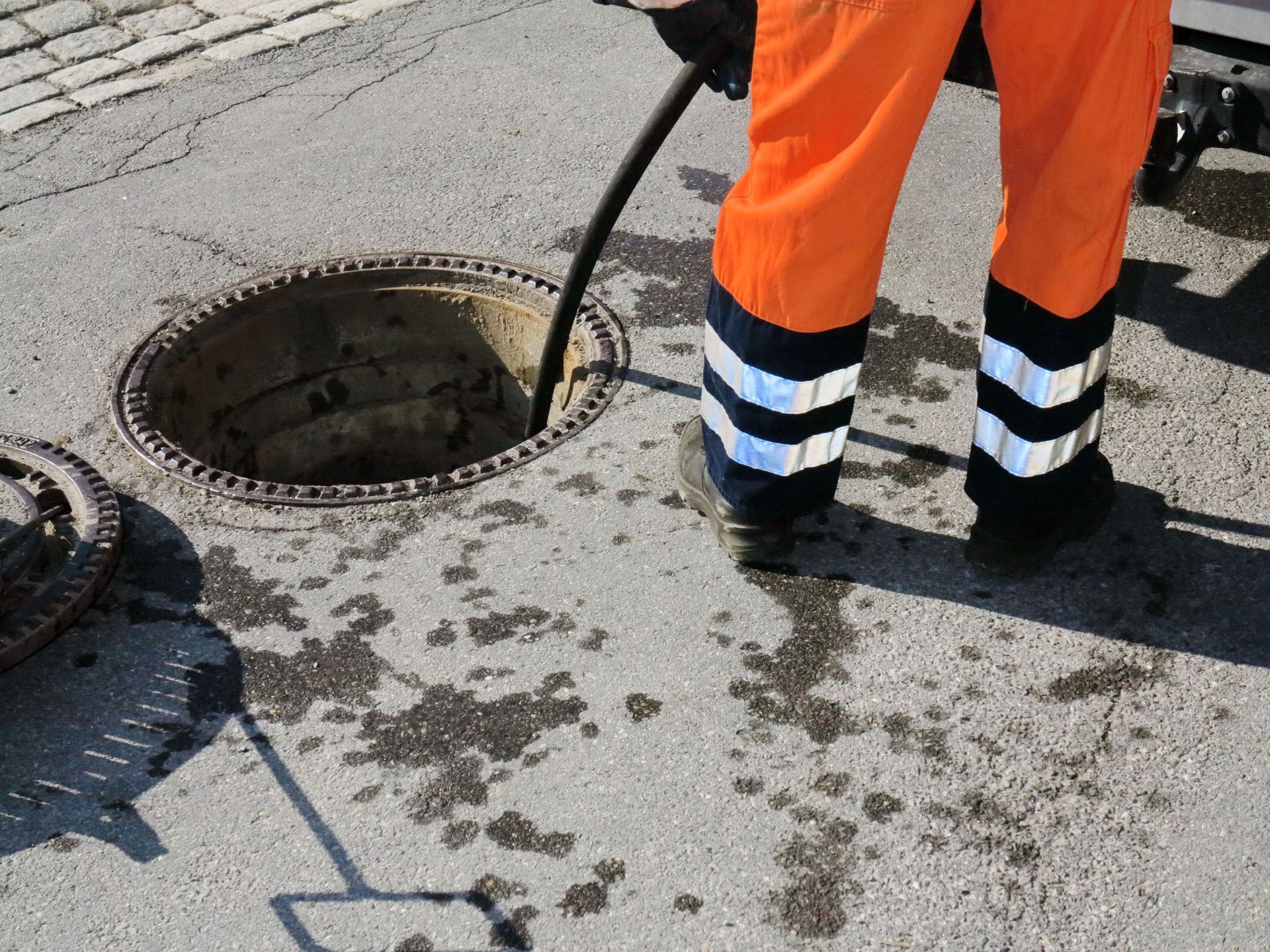
Professional services play a central role in effectively addressing severe blockages within septic systems. By leveraging specialized tools and expertise, these professionals can swiftly identify and rectify sources of obstruction. Their intervention not only resolves existing issues but also prevents potential complications, sustaining system health. Engaging experts significantly decreases the likelihood of error or damage during repair efforts. Homeowners benefit from reduced stress and assurance of comprehensive solutions when they rely on professional services for septic needs.
Technological advancements employed by professionals, such as video inspections, allow detailed assessments of blockages. This capability provides clarity in diagnosis and facilitates precision in remediation efforts, ensuring efficient solutions. Moreover, expert services often uncover underlying issues that may not be apparent to untrained eyes, offering a more holistic approach to maintenance. Their guidance in ongoing care and functional improvements fosters sustained and robust performance in septic systems. Employing professional expertise aligns with preventive strategies, safeguarding against frequent blockages and prolonged inefficiencies.
Enlisting professional help reinforces the importance of comprehensive maintenance and emergency preparedness. Regular engagements with septic experts familiarize homeowners with their system's unique needs, promoting more effective usage. The insights gained from professional services enhance decision-making and strategic planning in managing household waste systems. Reliance on experts ensures that potential emergencies are managed with competence, minimizing health risks and environmental impact. Ultimately, professional services contribute immeasurably toward maintaining a safe, healthy, and operational household environment.
2. System Overflows
Causes of Overflows
System overflows represent a significant risk to both property and health, making it essential to understand their causes. Heavy rainfall is one of the leading contributors, as excess rainwater can saturate soil and overload the septic system. Similarly, system overload due to excessive use during events or gatherings can overwhelm capacity, prompting overflow. Poor maintenance exacerbates these issues, as full tanks and clogged distribution systems fail to manage additional inputs efficiently. Identifying these risk factors allows for better preparation and more effective response to potential overflow situations.
Regular inspections play a crucial role in mitigating overflow risks, identifying potential vulnerabilities early. By assessing the state of the septic system, homeowners can determine when maintenance or upgrades are necessary to handle environmental or usage pressures. Another preventative measure is proper landscaping; directing excess water away from the septic system can reduce stress on its components. Designing a strategic response to predicted conditions strengthens the resilience of the system, prompting timely adjustments when needed. Prevention of overflows lies in proactive assessment and preparedness, preventing crisis situations from developing.
Health and Environmental Risks of Overflows
Septic system overflows present substantial threats to health and environmental integrity, necessitating urgent attention. Overflowing systems may release untreated wastewater, which can contain harmful pathogens, into the surrounding areas. This exposure can lead to significant health issues for residents, including gastrointestinal infections and other communicable diseases. Furthermore, these contaminants pose risks to local water sources, jeopardizing broader ecosystem health. Addressing overflows promptly and effectively is crucial to protect both human populations and environmental resources from adverse effects.
Exposure to wastewater contaminants affects community safety and well-being. Nutrients and organic matter found in sewage can promote pathogen growth, resulting in outbreaks of waterborne illnesses if consumed or contacted. Moreover, constant exposure to contaminated water and soil can degrade natural habitats, impacting local wildlife. Environmental degradation stemming from uncontrolled seepage accentuates the cycle of pollution, requiring more complex remediation efforts over time. Swift resolution and mitigation of septic overflows ensure continued protection and sustain healthy living environments for all organisms involved.
The cumulative impact of repeated overflows also poses significant long-term challenges. Frequent contamination events can necessitate costly cleanup measures and remediation steps, often borne by residents or communities. Impacts on water quality can introduce widespread concerns, impacting drinking water supplies and agricultural systems reliant on uncontaminated inputs. Recognizing these risks underlines the importance of preventive planning and expedient action to manage and resolve overflow events. Continuous evaluation of risk factors aids in anticipating needs, preserving health, and maintaining ecosystem vitality.
The Role of Emergency Septic Services in Managing Overflows
When facing overflow situations, emergency septic services become indispensable to restoring order and functionality. These professionals provide critical expertise in identifying and rectifying issues quickly, minimizing risks to health and the environment. Their interventions ensure containment of wastewater and facilitate repairs that restore system equilibrium. Equally, emergency services supply vital insight necessary for homeowners to avoid recurrence of overflow issues. Engaging these services early during crisis events enhances response efficiency and protects property and residents from escalating threats.
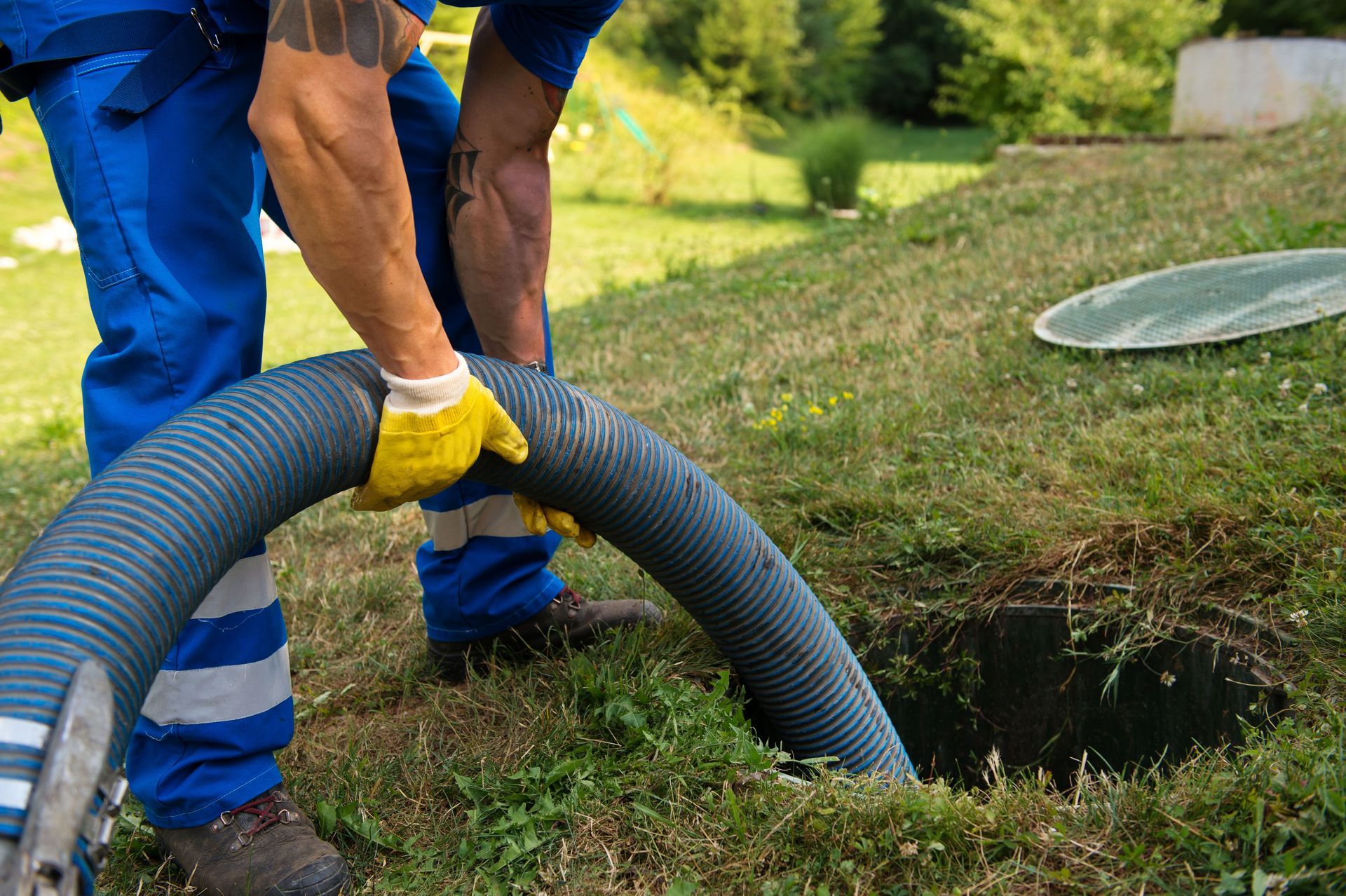
Emergency septic services offer specialized tools and techniques tailored to specific overflow challenges. Their use of pumping equipment and vacuum technology ensures swift clearance of accumulated wastewater, restoring system readiness. Additionally, their capability to address underlying causes simultaneously targets comprehensive recovery rather than just situational management. Services often include recommendations for adjustments or upgrades that better equip systems to handle future usage patterns. In calling upon this expertise, homeowners gain strategic insights to integrate within their regular management, fostering reliability within their waste disposal systems.
While routine maintenance is important, emergency situations can arise where immediate
septic tank services are crucial. With potential risks to health and safety, immediate response can prevent minor problems from escalating. If you need professional septic system assistance, reach out to Blue Septic Tank Service, Inc today!