May 22, 2026
Modern food service operations depend on more than culinary skill and customer service. Behind every efficient kitchen is a network of systems that manage waste, protect plumbing infrastructure, and maintain sanitary conditions. Among these systems, grease management plays a critical role in ensuring daily operations run without interruption. When fats, oils, and food residues enter drainage systems unchecked, they accumulate and create conditions that can quickly escalate into operational disruptions.
Commercial kitchens produce high volumes of grease as a result of popular cooking methods such as frying, grilling, and roasting. Without proper containment and removal, this material begins to solidify within plumbing lines and interceptors, gradually restricting flow. Over time, even minor inefficiencies can escalate into costly repairs, compliance issues, or full system backups that force service interruptions.
This is why structured maintenance programs are not optional in food service environments. They are a core operational requirement that supports hygiene standards, protects infrastructure, and ensures compliance with local regulations. Among these maintenance practices, grease trap cleaning remains one of the most essential and frequently required tasks for food establishments of all sizes.
Professional Grease Management in Commercial Kitchens
Understanding Grease Production in Food Service Operations
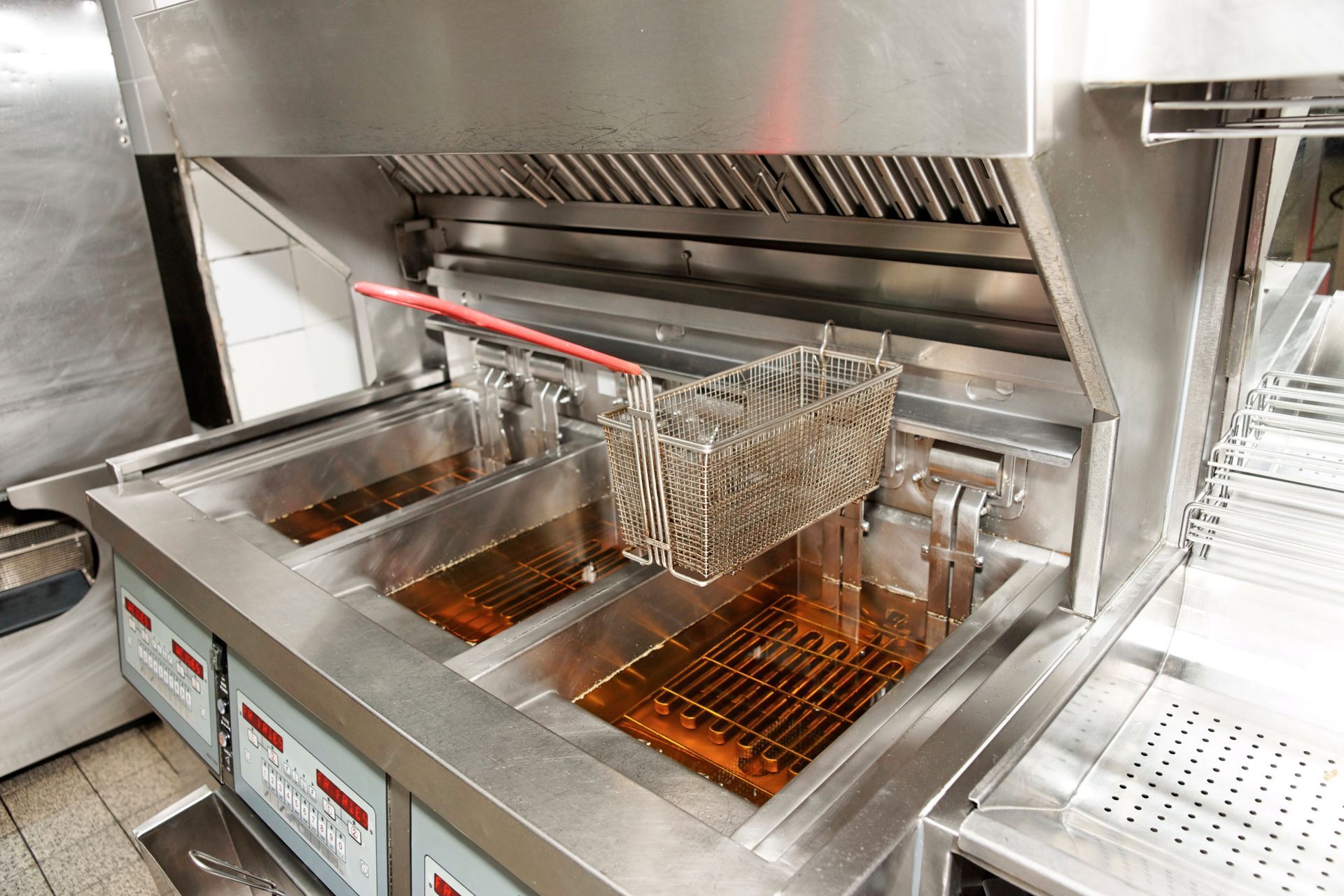
Every commercial kitchen generates grease as a natural byproduct of food preparation. Cooking oils, animal fats, sauces, and food particles combine during washing and cooking processes, eventually entering drainage systems through sinks, dishwashers, and floor drains. Without interception, these materials travel directly into plumbing lines where they begin to cool and solidify.
A properly functioning grease trap captures this waste before it enters the broader wastewater system. Inside the unit, fats and oils separate from water due to density differences. Grease rises to the top while solids settle at the bottom, allowing partially clarified water to exit through the outlet. Over time, however, this separation process becomes less effective as buildup increases.
Routine grease trap cleaning ensures that accumulated waste does not exceed system capacity. In busy kitchens, this buildup can occur faster than expected, particularly during peak service periods. When maintenance is delayed, the system loses efficiency, and waste begins bypassing the trap entirely.
How Grease Traps Support Wastewater Protection
Grease traps are essential components in protecting municipal wastewater infrastructure. Without them, large quantities of fats, oils, and grease would enter sewer lines, where they solidify and combine with other debris. This leads to blockages that can affect entire drainage networks, not just individual businesses.
In commercial settings, properly maintained traps serve as the first line of defense against this type of contamination. They reduce strain on downstream systems and help ensure that wastewater leaving the facility meets environmental standards. When maintained correctly, they also minimize the risk of backflow events that can disrupt kitchen operations.
Regular grease trap cleaning supports this protective function by restoring capacity and ensuring that separation processes continue to operate effectively. When neglected, the trap becomes saturated, reducing its ability to capture incoming waste.
Operational Consequences of Neglected Systems
When grease management systems are not properly maintained, the effects extend beyond plumbing issues. Kitchens may experience slow drainage, unexpected downtime, and increased maintenance costs. In severe cases, grease buildup can lead to complete system failure, requiring emergency intervention and temporary closure.
Odor problems are also common when waste accumulates beyond acceptable levels. These odors can affect both kitchen staff and customer-facing areas, impacting the overall dining experience. Additionally, repeated system failures can place strain on operational budgets due to frequent repairs and service disruptions.
Consistent grease trap cleaning helps ensure that systems operate within their intended capacity. It also reduces the likelihood of emergency calls and supports smoother daily operations.
Regulatory Expectations and Compliance Considerations
Maintenance Thresholds and Inspection Standards
Food service establishments are subject to strict maintenance requirements designed to prevent environmental contamination and protect public infrastructure. According to Seattle.gov, businesses are expected to maintain grease traps according to manufacturer guidelines when available. If such specifications are not provided, cleaning must occur before fats, oils, grease, and food waste exceed 25% of the unit's capacity, ensuring that the system continues functioning effectively without overloading.
This threshold exists to prevent excessive buildup that can compromise system performance. Once grease levels exceed this limit, the trap loses efficiency and becomes more likely to allow waste into the broader wastewater system. Maintaining compliance with these expectations is essential for avoiding penalties and ensuring uninterrupted operation.
Routine grease trap cleaning plays a key role in meeting these standards. By adhering to scheduled maintenance intervals, businesses can ensure they remain within acceptable operating conditions and avoid regulatory violations.
Health Code Alignment in Food Establishments
Health departments enforce strict sanitation requirements for food service operations. These regulations are designed to protect both customers and employees by ensuring that waste systems function properly and do not create hazardous conditions.
Grease accumulation can contribute to unsanitary environments if not managed effectively. Overflowing traps, slow drainage, and persistent odors may all indicate that a system is no longer operating within acceptable limits. These conditions can lead to failed inspections and mandatory corrective actions.
Maintaining consistent grease trap cleaning schedules helps ensure that kitchens remain aligned with health code expectations. It also reduces the likelihood of inspection-related disruptions, which can impact business continuity.
Operational Efficiency and Long-Term System Protection
Preventing Plumbing Disruptions and Emergency Repairs
One of the most significant benefits of routine maintenance is the prevention of unexpected plumbing failures. Grease buildup is one of the leading causes of drainage blockages in commercial kitchens. When traps become overloaded, waste begins to bypass containment systems and enter the pipes, where it solidifies.
This can result in slow drainage, backups, and complete system blockages that require emergency intervention. These situations are often disruptive, requiring temporary shutdowns that affect revenue and customer service.
Scheduled grease trap cleaning helps prevent these issues by ensuring that waste is removed before it reaches critical levels. This proactive approach reduces the likelihood of emergency repairs and supports uninterrupted kitchen operations.
Scheduling Maintenance for Consistent Performance
Establishing a consistent maintenance schedule is essential for maintaining system performance. The frequency of service depends on kitchen volume, menu type, and operational intensity. High-output kitchens may require more frequent attention than smaller establishments.
Structured grease trap cleaning schedules ensure that waste levels remain within acceptable limits and that systems continue functioning efficiently. Over time, consistent maintenance reduces variability in system performance and helps prevent unexpected disruptions.
A well-planned schedule also supports budgeting predictability by reducing the likelihood of emergency service costs. This allows businesses to allocate resources more effectively while maintaining compliance and operational stability.
Grease management is a foundational element of commercial kitchen operations, influencing everything from plumbing reliability to regulatory compliance. Without proper maintenance, waste systems quickly become overwhelmed, leading to operational disruptions that can affect both revenue and reputation. Consistent maintenance practices ensure that grease traps continue functioning as intended, capturing waste before it enters broader drainage systems.
Regulatory expectations reinforce the importance of routine care. Requirements that limit buildup levels and mandate scheduled servicing are designed to preserve system functionality and prevent widespread infrastructure issues. Meeting these standards is not only a matter of compliance but also a practical necessity for maintaining uninterrupted service. Reach out to Blue Septic Tank Service Inc to keep your business's grease traps in top shape!