April 20, 2026
A properly functioning septic system is vital for a safe, efficient, and environmentally responsible home. From managing household wastewater to maintaining clean and healthy surroundings, your system plays a crucial role in daily life. Understanding how septic tanks, drain fields, and connecting pipes work—and recognizing warning signs of trouble—helps homeowners protect their property and avoid costly repairs. Regular maintenance and timely pumping are essential to keep your system operating smoothly, ensuring long-term reliability and peace of mind.
Septic Systems
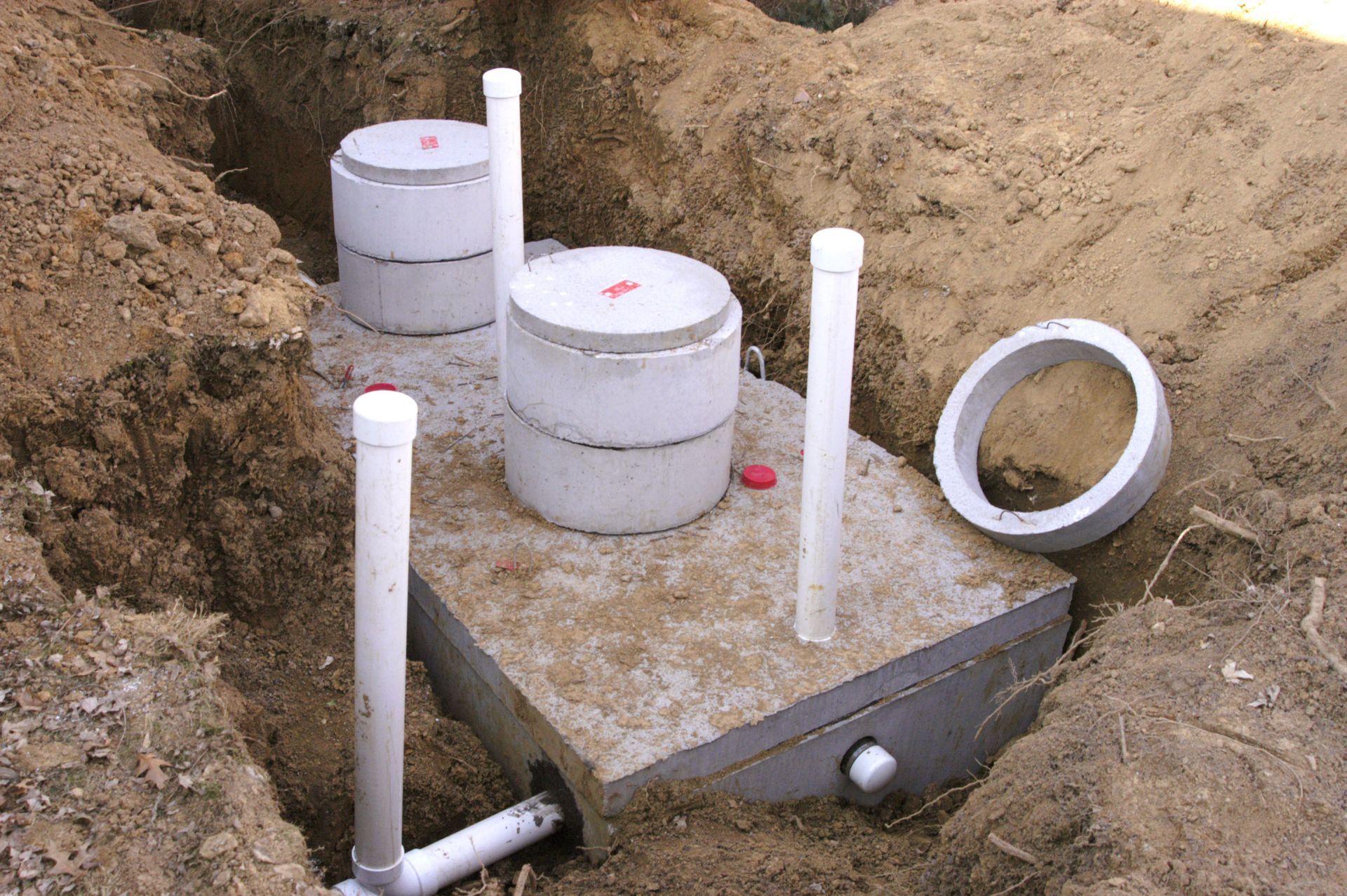
A septic system consists mainly of a septic tank, a drain field, and the pipes that connect them. The septic tank is a watertight container buried underground, designed to hold wastewater long enough to allow solids to settle down as sludge, while oils and grease float to the top as scum. The drain field, also known as the leach field or absorption field, is a shallow, covered excavation made in unsaturated soil. Filled with pipes and stone or gravel, the drain field removes impurities from the liquid emerging from the septic tank. Together with these parts, the pipes facilitate the movement of waste to and from the septic tank to ensure that the system functions smoothly.
Septic systems manage waste by allowing easy drainage of water and slow breakdown of solids. As water exits your home, it flows through a pipe into the septic tank, where the waste is held. Once in the tank, solids settle to the bottom forming sludge, while oils rise to create scum. The liquid waste, or effluent, flows out of the tank into the drain field, where it percolates into the soil, further treated physically and chemically by natural processes. These processes ensure that the water returning to the ground is purified and safe for the environment.
There are several warning signs indicating a failing septic system that homeowners should be aware of. Pooling water or muddy soil around your septic system or in your basement is a strong indicator that your system is malfunctioning. Bad odors coming from the septic tank area or around your home can also be a sign of trouble. Slow-draining sinks, tubs, and toilets mean that there may be a blockage or a full septic tank. Catching these issues early is imperative to prevent more serious, costly damage and repairs.
Regular maintenance is crucial for keeping septic systems in good working condition. Without regular inspections and cleanings, sludge and scum can build up inside the tank, causing it to overflow or back up into your home. Maintenance also helps identify small issues before they become major problems, which saves both time and money in the long run. According to a report by This Old House, over 25% of people in the US use septic systems for waste management, highlighting the importance of regular care. By maintaining your system diligently, you prolong its lifespan and ensure that it operates efficiently.
The Septic Tank Pumping Process
Determining when to schedule septic tank pumping service is essential for maintaining system efficiency. Typically, septic tanks should be pumped every three to five years, but this can vary based on the size of the tank and the number of people living in the household. A household of two people may require less frequent pumping compared to a family of six or more. It’s important to consult with a professional who can evaluate your specific needs and recommend a tailored pumping schedule. Consistent scheduling based on these guidelines helps prevent overflow and maintains a healthy septic system.
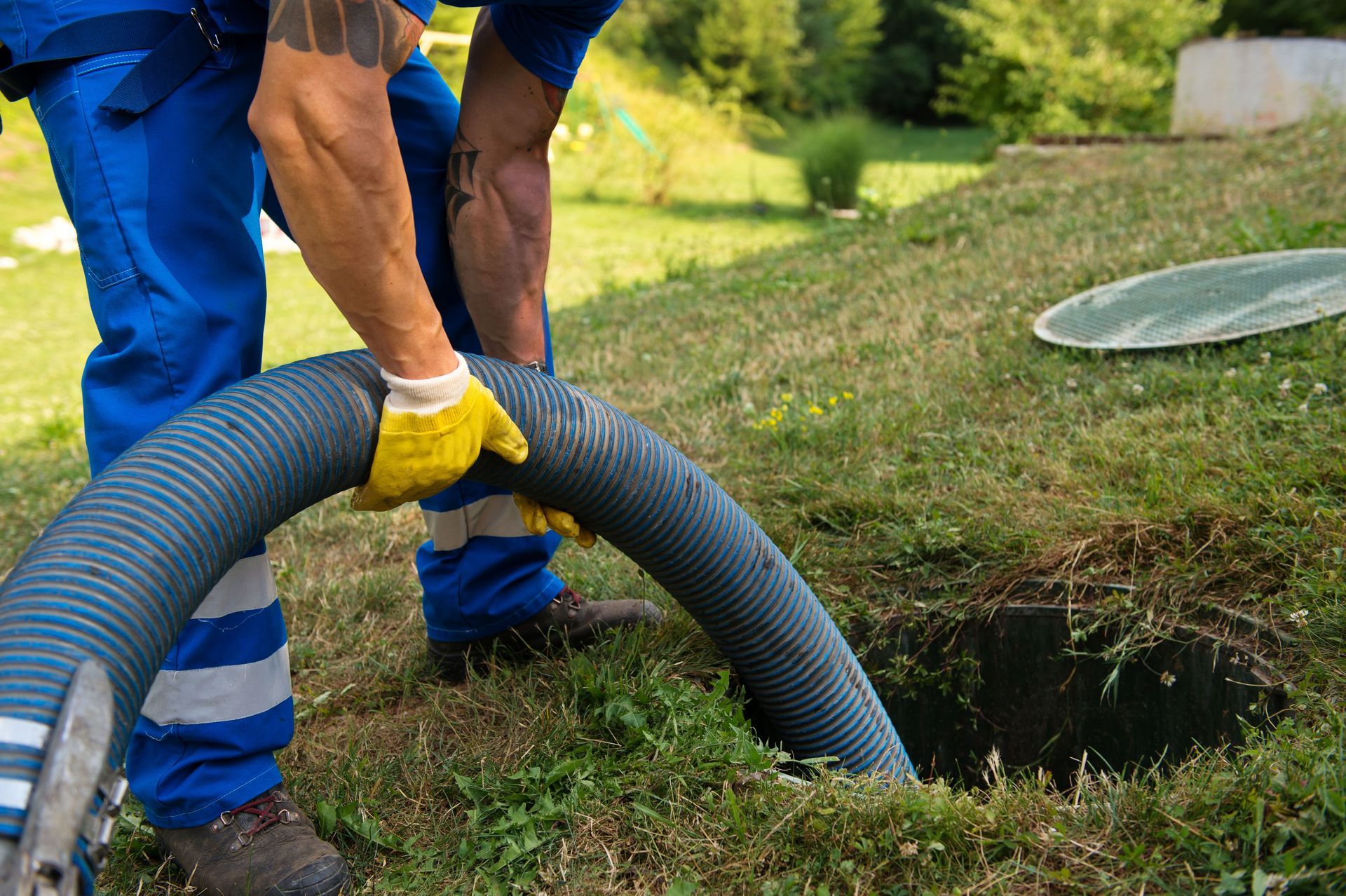
The septic tank pumping service process, though straightforward, involves several critical steps. A professional service provider will first locate the septic tank and carefully dig to expose the access lids. Once opened, they will use a specialized truck with a vacuum pump to remove sludge, scum, and effluent from the tank. After pumping, the technician may rinse the tank with water to remove any remaining waste clinging to the walls. Finally, the tank lids are securely replaced, and the ground is restored to its original state.
Deciding between a professional or DIY septic tank pumping service requires careful consideration of risks and capabilities. Professional septic pumping services come with skilled technicians who possess the necessary training and equipment to perform the task safely and efficiently. DIY pumping, while it may seem cost-effective, involves numerous risks, such as exposure to harmful pathogens and damage to the septic system. Professionals also ensure compliance with local and state regulations for waste disposal. Hiring a qualified service provider is often the safest and most effective choice for homeowners.
Septic tank pumping service may cause minimal disruption, but it's important to know what to expect. The entire process typically takes between one and two hours, depending on the size of the tank and the location complexity. During this time, homeowners may experience brief water usage interruptions. Workers take care to minimize disturbances and ensure that the area is cleaned up before leaving. Having a clear understanding of what the process entails can help prepare homeowners, allowing them to accommodate the pumping service with minimal inconvenience.
A Reliable Septic Tank Pumping Service
Choosing a quality septic tank pumping service is crucial for obtaining reliable and effective maintenance. It’s essential to look for a provider with considerable experience in the industry, which speaks to their expertise in handling various system challenges. Licensing and certifications verify that a company adheres to regulations and standards, ensuring professionalism and accountability. Additionally, researching customer reviews and testimonials provides insights into the provider’s reputation and service quality. With these factors in mind, homeowners can select a service provider they can trust.
Asking the right questions is an important step in hiring the right septic tank pumping service. Inquire about the company's experience, longevity in the industry, and any specialized training their technicians have completed. Clarify what's included in the service, such as inspections or minor repairs, to ensure there's a full understanding of costs. Confirm whether the company holds the necessary licenses and insurance coverage protecting both parties in case of accidents or problems. Taking the time to vet potential companies thoroughly helps safeguard homeowners' investments in their systems.
Getting service estimates is a critical part of comparing septic tank pumping providers. It is prudent to obtain multiple estimates from different providers to assess ranges of costs and services offered. Pay attention to included services, potential hidden fees, and ask for a detailed breakdown of the estimate. Some companies may offer package deals that include routine inspections, providing value additions. Taking the time to carefully evaluate estimates ensures informed decisions regarding maintenance services, ultimately benefiting both the homeowner and the septic system.
Homeowners should prioritize verifying the credentials and certifications of potential septic tank service providers. Certifications indicate that a company adheres to industry standards and best practices, guaranteeing high-quality service. Ensure that the providers you consider hold the necessary state or local licenses to legally perform septic system services. Request proof of certifications, such as memberships in relevant trade organizations.
Maintaining a septic system requires knowledge, vigilance, and professional care. Routine inspections, timely pumping, and expert service prevent system failures, safeguard your home, and extend the life of your investment. When it comes to septic tank maintenance, working with an experienced and licensed provider makes all the difference. Protect your home and ensure your system functions efficiently—contact Blue Septic Tank Service Inc today to schedule your septic inspection, pumping, or maintenance service and enjoy worry-free operation year-round.