January 22, 2026
In the competitive landscape of commercial facility operations, strategic investment in infrastructure support functions has evolved from a compliance requirement to a differentiator in operational excellence. Among these essential support functions, professional grease trap maintenance stands out as a mission-critical service that underpins environmental stewardship, regulatory compliance, and cost-effective asset management. This article examines the top benefits of engaging dedicated grease trap services and articulates why forward-thinking organizations integrate professional maintenance into their operational playbooks.
1. Enhancing Operational Continuity Through Professional Oversight
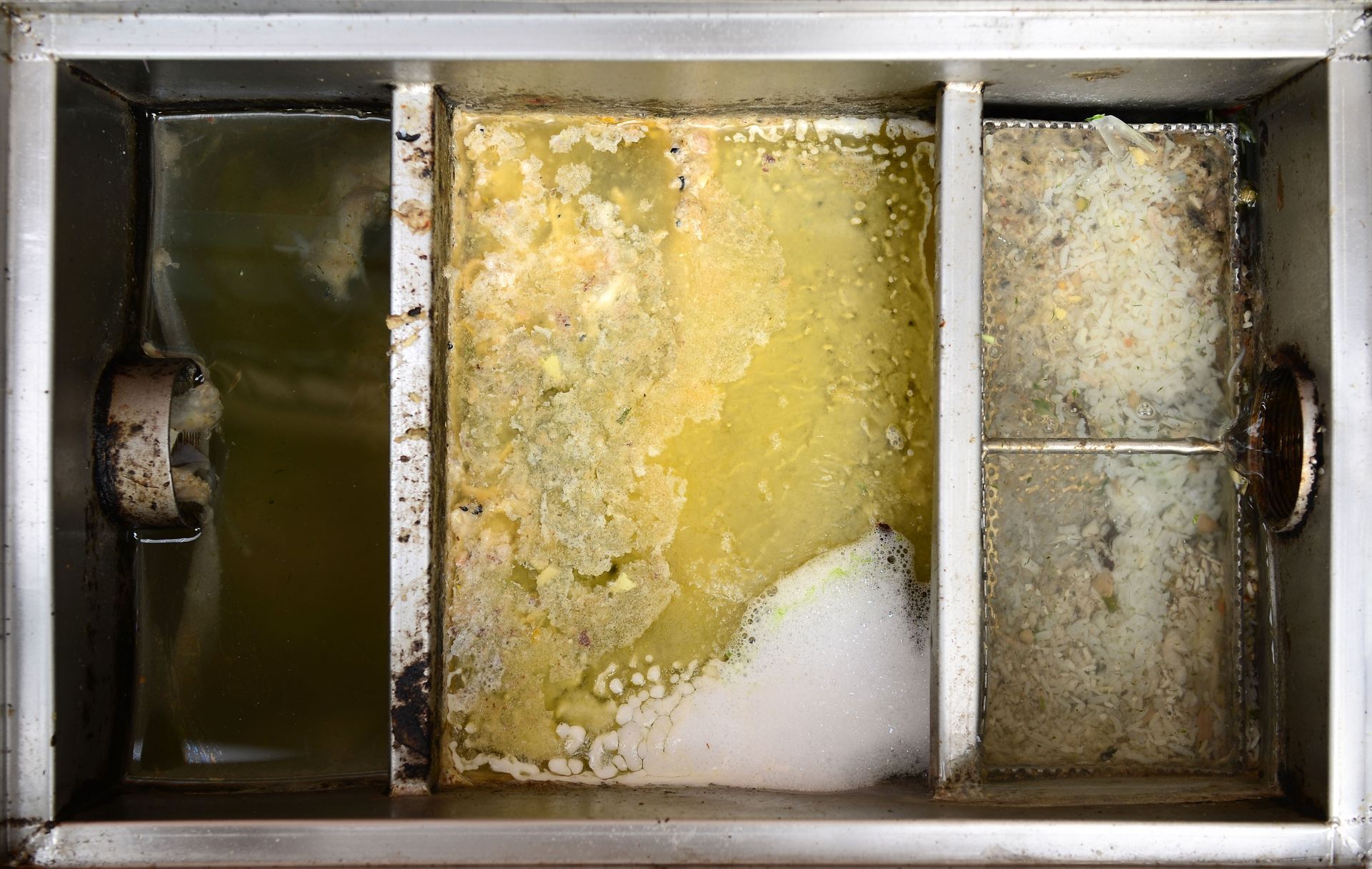
Operational continuity is a core performance metric for any high-volume food service enterprise. Unscheduled downtime resulting from grease trap blockages or failures can have cascading impacts on kitchen throughput, customer satisfaction, and brand reputation. Engaging professional grease trap services ensures that maintenance schedules are systematically aligned with usage patterns and peak demand cycles, minimizing the risk of disruptive malfunctions. By instituting routine inspections and calibrated cleaning protocols, grease trap service providers help to safeguard uninterrupted operations. This proactive stewardship mitigates the likelihood of emergency callouts and enables kitchen leadership to focus on delivering exceptional culinary experiences without distraction.
2. Elevating Compliance Posture With Regulatory Expertise
Businesses that generate wastewater laden with fats, oils, and grease (FOG) operate within a regulatory environment that mandates adherence to stringent municipal and environmental guidelines. Failure to meet these standards can result in fines, operational restrictions, or reputational harm. Professional grease trap services bring specialized knowledge of evolving regulatory frameworks, ensuring that maintenance activities not only clean and preserve equipment but also align with compliance obligations. Technicians trained in industry best practices provide documentation and service records that demonstrate due diligence, offering decision-makers confidence in audit readiness and risk management. In essence, outsourcing grease trap maintenance fortifies an organization's compliance posture while reducing administrative burden.
3. Optimizing Asset Longevity Through Technical Precision
Grease traps represent a significant capital investment for food service facilities, and like all mechanical assets, their lifecycle is influenced by the quality of maintenance applied. Professional grease trap services deploy technical precision, using calibrated tools and systematic procedures that go beyond ad-hoc cleaning. By addressing grease accumulation with industry-standard techniques, service professionals slow the rate of corrosion, reduce wear on internal components, and preserve the structural integrity of the trap over time. This methodical attention to detail translates into extended asset longevity and defers the need for costly replacements, contributing to capital expenditure efficiencies.
4. Improving Waste Stream Efficiency for Sustainable Operations
Sustainability has emerged as a strategic imperative across industries, with organizations seeking to optimize waste streams and reduce environmental impact. Grease traps play a pivotal role in capturing FOG before it enters municipal sewer systems, and professional grease trap services enhance this function through rigorous extraction and proper disposal. By ensuring that captured waste is managed responsibly, businesses can reduce their ecological footprint and demonstrate commitment to sustainable operations. Moreover, the efficient handling of grease waste supports secondary markets; according to Fortune Business Insights, the global used cooking oil market is projected to grow from $8.63 billion in 2026 to $15.16 billion by 2034. This expanding market underscores the value of correctly processing FOG, not just as waste mitigation but as a feedstock for renewable and industrial applications.
5. Strengthening Risk Mitigation Through Predictive Service Models
Risk management is a foremost concern for operational leadership, particularly in environments where service interruptions can impact public health and safety. Blockages in grease traps can lead to sewer overflows, unpleasant odors, and hardware damage, creating scenarios that require urgent remediation. Professional grease trap services adopt predictive maintenance models that leverage inspection data and usage analytics to forecast potential issues before they escalate. This proactive stance enables service providers to intervene with precision, reducing the likelihood of acute failures that necessitate costly emergency responses. For stakeholders, this translates into enhanced peace of mind and a demonstrable reduction in operational risk.
6. Boosting Financial Performance Through Cost Containment Strategies
It may seem counterintuitive to some stakeholders that outsourcing maintenance can yield financial benefits, yet the economics of professional grease trap services illustrate compelling cost containment potential. Regular, scheduled maintenance disrupts the accrual of excessive FOG buildup, which if left unchecked, can necessitate expensive repairs or septic system interventions. By contrast, budgeted maintenance engagements smooth cash flow, allow for predictable expense planning, and prevent the financial shocks associated with unexpected equipment failures. Additionally, service providers often identify ancillary issues during routine visits—such as compromised seals or drainage inconsistencies—before they escalate into budget-draining emergencies. In this way, grease trap maintenance functions as a strategic investment in financial resilience.
7. Advancing Workplace Safety Through Specialized Handling Protocols
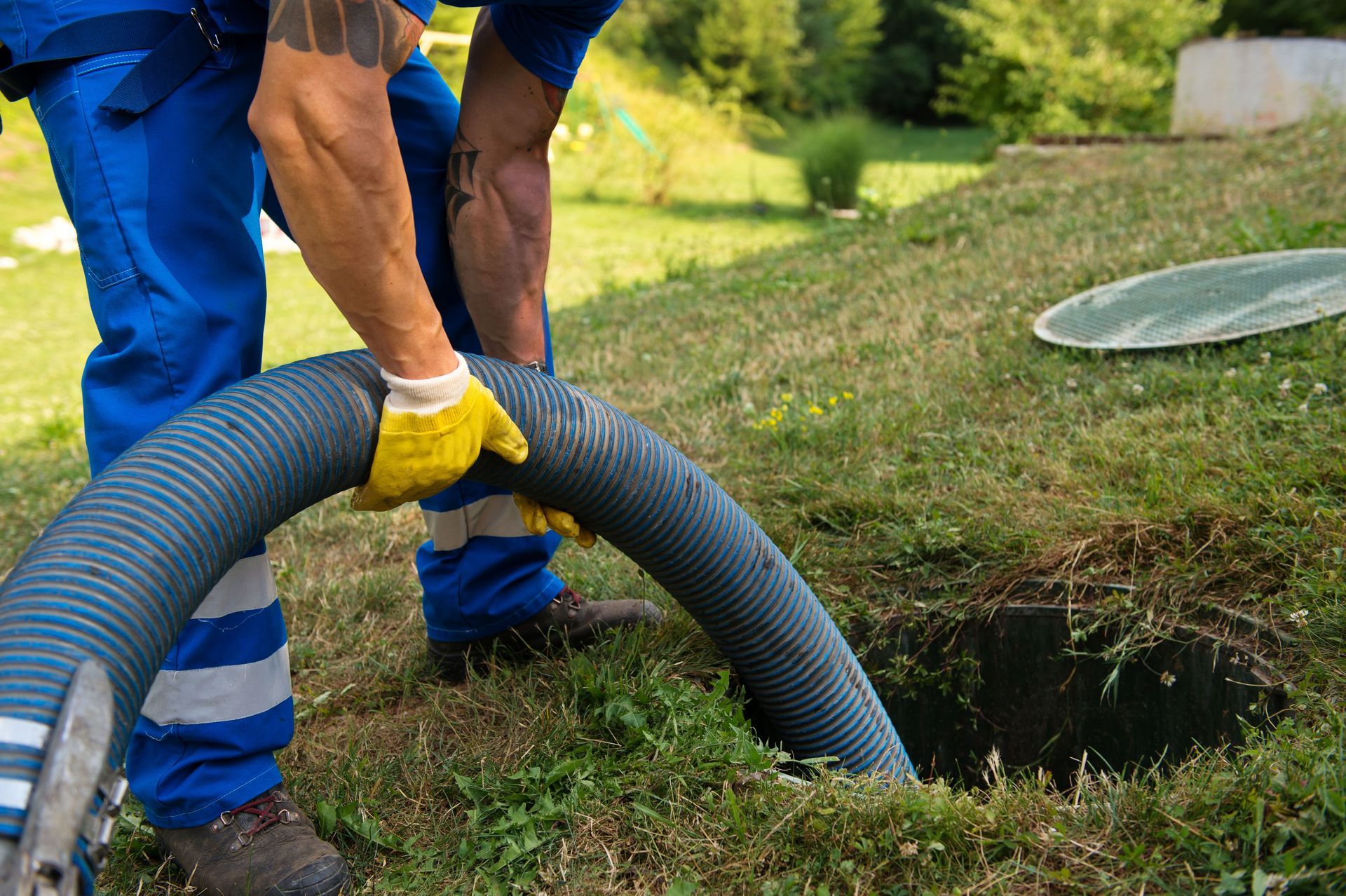
Workplace safety remains a paramount concern for businesses that operate in environments where grease, water, and confined spaces intersect. Improper handling of grease trap cleaning can expose employees to slip hazards, biological contaminants, and musculoskeletal strain. Professional grease trap services mitigate these safety concerns by deploying trained technicians equipped with appropriate personal protective equipment (PPE) and handling tools. These specialists adhere to established safety protocols, ensuring that grease removal and disposal are conducted with minimal risk to personnel and facility occupants. For management, transferring this responsibility to accredited service providers diminishes on-site safety liabilities and enhances the organization's overall safety culture.
8. Cultivating Customer Satisfaction Through Consistent Service Delivery
While grease trap maintenance might seem distant from the consumer experience, its impact on customer satisfaction should not be underestimated. Clean, odor-free environments contribute to positive perceptions of a brand, particularly in food service venues where ambiance complements culinary quality. Conversely, grease-induced odors or drainage issues can detract from patron comfort and prompt negative reviews. Professional grease trap services play a subtle yet vital role in preserving an inviting atmosphere by ensuring that wastewater systems function seamlessly. The downstream effect of this operational reliability is improved guest satisfaction, reinforcing brand loyalty and repeat business.
9. Promoting Environmental Stewardship and Community Responsibility
Environmental stewardship is both a corporate value and a community expectation. Grease trap maintenance contributes directly to protecting water quality by intercepting FOG that would otherwise burden municipal wastewater systems and local ecosystems. Professional grease trap services ensure that this critical environmental control mechanism functions effectively, reinforcing an organization's commitment to responsible operations. Moreover, by documenting proper disposal practices and adhering to environmental standards, service providers support clients in fulfilling corporate social responsibility (CSR) goals. This alignment between operational practice and environmental accountability resonates with stakeholders, including customers, regulators, and community partners.
10. Supporting Scalable Growth Through Customized Service Frameworks
As businesses expand their operations—whether through additional locations, increased service volumes, or diversified offerings—the demands placed on grease management systems grow accordingly. Standardized, one-size-fits-all approaches to maintenance often fall short when confronted with variable usage profiles and scaling infrastructure. Professional grease trap services offer customized frameworks that adapt to client needs, aligning service frequency, scope, and reporting mechanisms with operational realities. This tailored approach promotes scalability, enabling organizations to extend their reach while preserving high standards of system performance. Through strategic collaboration with grease trap service partners, businesses fortify their ability to grow without compromising maintenance quality or compliance.
11. Amplifying Brand Integrity Through Dependable Infrastructure Management
Brands that consistently deliver high-quality experiences do so by harmonizing front-end excellence with back-end reliability. Grease trap maintenance is an integral component of this harmony, underpinning facility operations that must both comply with standards and perform without interruption. Engaging professional grease trap services amplifies brand integrity by ensuring that foundational infrastructure receives the attention it deserves. This level of care communicates to stakeholders—employees, customers, regulators, and community members alike—that the organization prioritizes excellence at every operational layer. In competitive marketplaces, such comprehensive stewardship reinforces trust and distinguishes brands that lead with reliability and responsibility.
The benefits of professional grease trap maintenance extend far beyond simple cleanliness. They encompass operational resilience, financial prudence, compliance assurance, and environmental stewardship. Grease trap services serve as a strategic enabler for organizations seeking to optimize infrastructure performance while aligning with broader business objectives. From enhancing workplace safety to supporting scalable growth, the value proposition of engaging specialized professionals is clear. If you're looking for professional grease trap services, contact Blue Septic Tank Service Inc today.